
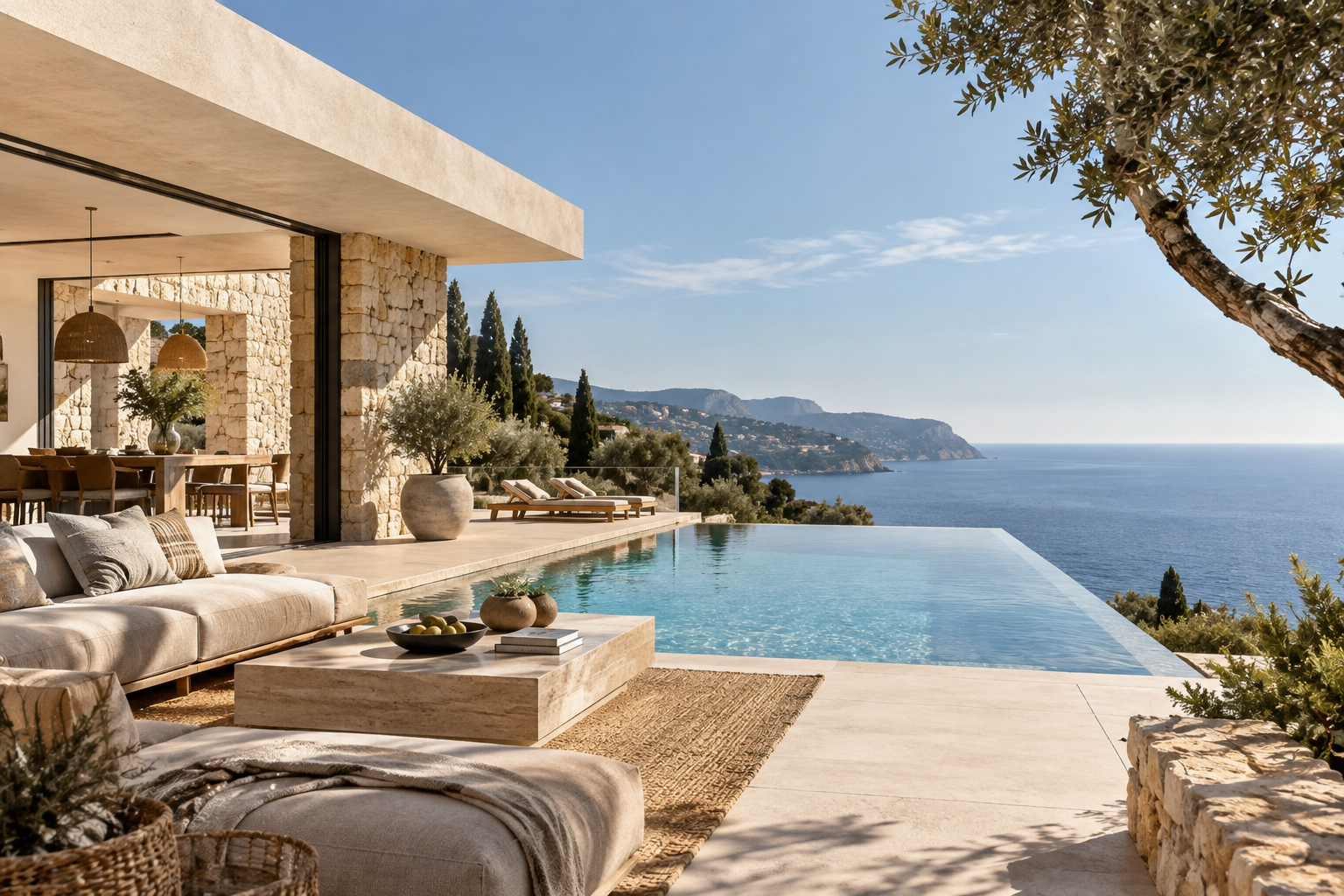
A sheltered courtyard can transform the atmosphere of an entire home, while the orientation of a terrace can determine how comfortably it is used throughout the year. From the Costa del Sol to the French Riviera and the Greek islands, discover the architectural features that distinguish contemporary villas and the details worth examining before choosing your Mediterranean residence.
What defines a contemporary Mediterranean villa?
Contemporary Mediterranean villas draw on modern architectural principles while responding to the climate, terrain and residential traditions of their location. Clean lines, open-plan interiors and large glazed surfaces are common features, although the most successful designs also consider privacy, sunlight, ventilation and the practical relationship between indoor and outdoor spaces. The result can vary considerably between a hillside residence overlooking Marbella, a waterfront property on the French Riviera and a villa integrated into the rocky landscape of a Greek island.
Rather than relying on a particular decorative style, contemporary architecture gives considerable importance to the organisation of space and the experience of living within it. The position of the building on its plot, the proportions of its rooms and the selection of materials influence how the residence feels throughout the day. Several features frequently distinguish contemporary Mediterranean villas:
→ Sculptural architectural volumes – carefully composed building forms create visual interest and establish a relationship with the surrounding terrain;
→ Expansive glazing – large windows and sliding doors introduce natural light and connect interior rooms with terraces, gardens and coastal views;
→ Natural materials – stone, timber and mineral finishes introduce texture and complement the colours of the Mediterranean landscape;
→ Integrated outdoor spaces – covered terraces, courtyards and landscaped gardens extend the usable living environment;
→ Modern building systems – efficient heating, cooling, ventilation and automated controls support comfort throughout the year.
Costa del Sol and the evolution of contemporary villa design
The Costa del Sol offers a diverse residential landscape, with contemporary villas located in established neighbourhoods, hillside developments and coastal communities. Marbella, Benahavís and Estepona feature properties that combine modern architectural forms with outdoor spaces designed around the region’s climate. Large terraces, landscaped gardens and swimming pools frequently form part of the overall composition, while expansive windows establish visual connections between living areas and the surrounding landscape.
The architectural approach can differ according to the location of the property. A hillside residence may prioritise panoramic views and terraces arranged across several levels, while a villa on a flatter plot can offer more direct connections between the interior, garden and swimming pool. Buyers should consider how these design decisions influence everyday movement, privacy and the use of outdoor areas during different seasons.
Marbella and the appeal of open-plan living
Contemporary villas in Marbella often feature interconnected living, dining and kitchen areas, with large sliding doors opening onto covered terraces. This arrangement can create generous spaces for entertaining and allow natural light to reach different parts of the interior. Materials such as limestone, timber and textured plaster may introduce warmth and visual continuity between the home and its surroundings.
The proportions and organisation of open-plan spaces deserve careful consideration. A large room can provide flexibility, but its comfort depends on factors such as acoustics, ventilation, furniture placement and the availability of more private areas. Buyers who regularly host guests may also value a separate preparation kitchen, guest accommodation and outdoor dining spaces positioned close to the principal living areas.
Benahavís and villas designed around the landscape
The elevated terrain of Benahavís creates opportunities for contemporary villas with panoramic views and distinctive architectural layouts. Properties built on sloping plots may incorporate terraces on several levels, retaining walls and landscaped areas that follow the natural contours of the land. The position of the building can influence both the quality of the views and the amount of sunlight received by individual rooms.
When comparing hillside residences, architectural appearance should be considered alongside access, drainage and structural design. Steep driveways, extensive glazing and exposed terraces may introduce practical requirements that are less apparent in property photographs. Buyers interested in the region can explore the selection of Mediterranean luxury properties presented by Stefan Nita and assess how different architectural layouts correspond to their preferences for privacy, outdoor living and year-round comfort.
Contemporary villas on the French Riviera
The French Riviera offers a distinctive setting for contemporary residential architecture, with villas positioned along the coastline and on elevated plots overlooking the Mediterranean. In destinations such as Cannes, Antibes and Saint-Jean-Cap-Ferrat, modern residences may combine extensive glazing, natural stone façades and carefully landscaped gardens. Architectural design often responds to the available views, neighbouring properties and the relationship between the building and its outdoor spaces.
The Riviera’s residential environment also creates particular design considerations. A property with large windows facing the sea may require effective solar control, while a villa located close to neighbouring residences may benefit from landscaped screening and carefully positioned outdoor areas. Contemporary architecture can accommodate these requirements through recessed terraces, architectural overhangs and the strategic arrangement of rooms.
Architecture that balances sea views and privacy
Sea views are an important feature of many contemporary villas, but maximising visibility towards the coastline can create challenges for privacy and thermal comfort. Floor-to-ceiling glazing may expose living areas to direct sunlight, while terraces positioned towards neighbouring properties can reduce the sense of seclusion. The design of the building should therefore be evaluated according to how comfortably its spaces can be used, rather than the views alone.
Architects may address these considerations through covered terraces, adjustable external shading, landscaped courtyards and windows positioned to frame particular sections of the landscape. Buyers should assess the property at different times of day whenever possible, paying attention to sunlight, visibility from neighbouring buildings and the comfort of the principal outdoor areas.
Modern villas in the Greek islands
Contemporary architecture in the Greek islands frequently reinterprets regional building traditions through simplified forms, natural materials and carefully planned outdoor spaces. White plaster, stone and restrained colour palettes can connect a modern residence to its surroundings, while expansive glazing and open-plan interiors introduce features associated with contemporary luxury living. The architectural character varies between islands, reflecting differences in terrain, climate and local construction traditions.
The island setting introduces practical considerations that should influence both design and property selection. Strong winds, intense sunlight, limited access routes and seasonal variations in local services can affect how a residence functions. Buyers should examine the relationship between the building and its site, particularly where the property occupies an exposed hillside or a location with difficult access.
Mykonos and minimalist coastal residences
Contemporary villas in Mykonos often combine simple white volumes with natural stone, sheltered courtyards and terraces overlooking the Aegean Sea. The restrained architectural palette allows the surrounding landscape to remain prominent, while carefully positioned openings can provide natural light without exposing every room to direct sunlight.
Outdoor design is especially important in locations affected by strong seasonal winds. A terrace that looks attractive in photographs may be uncomfortable without adequate protection, and the position of the swimming pool can influence how frequently the surrounding area is used. Sheltered dining spaces, practical access between rooms and thoughtful landscaping can make a substantial difference to the everyday experience of the property.
Santorini and contemporary homes shaped by the terrain
Santorini’s volcanic landscape and established architectural traditions create opportunities for residences with distinctive forms and spatial arrangements. Contemporary designs may incorporate curved surfaces, recessed terraces and rooms integrated into the terrain, alongside modern interiors and carefully positioned windows that frame the surrounding views.
Properties built into steep slopes or located within historic settlements require particular attention to accessibility, moisture protection and structural condition. Buyers should also verify the applicable planning requirements before considering alterations or extensions. A striking architectural concept should be supported by practical arrangements for maintenance, servicing and comfortable occupation.
Natural materials and the character of modern interiors
Material selection has a considerable influence on the atmosphere of a contemporary villa. Natural stone, timber, plaster and textured finishes can soften the appearance of minimalist architecture and create continuity between indoor and outdoor spaces. Their colours and textures may also reflect the surrounding landscape, allowing the residence to feel more closely connected to its location.
The suitability of a material depends on its technical properties and the conditions in which it will be used. Coastal exposure, direct sunlight, humidity and regular contact with water can affect finishes differently, particularly around swimming pools and outdoor kitchens. Buyers should assess installation quality, maintenance requirements and the compatibility of materials with the building’s construction system.
Stone, timber and restrained colour palettes
Limestone, travertine and other natural stones are frequently used in contemporary Mediterranean interiors, although their performance varies according to the specific material and finish. Timber can introduce warmth through cabinetry, wall panelling and architectural details, while mineral finishes provide texture without requiring elaborate decoration.
A restrained colour palette can create visual continuity between different rooms, but the quality of the result depends on proportions, lighting and material selection. Buyers should examine finishes closely during a viewing, particularly in areas exposed to moisture or heavy use, and establish which surfaces require specialist cleaning or periodic maintenance.
Outdoor living as part of the architectural design
Outdoor spaces are central to the experience of many contemporary Mediterranean villas. Covered terraces, swimming pools, gardens and outdoor kitchens can extend the living environment and provide settings for dining, relaxation and entertaining. Their usefulness, however, depends on more than their dimensions or appearance. Orientation, shade, wind exposure and access from the interior determine how comfortably these spaces function throughout the year.
A terrace positioned beside the kitchen may be convenient for everyday meals, while a more secluded area near the garden can offer privacy for relaxation. Swimming pools and outdoor entertaining spaces also require appropriate lighting, drainage and safe circulation routes. When comparing villas, it is worth examining how these elements work together rather than evaluating each feature separately.
Several details deserve attention during a property viewing:
→ Terrace orientation – check sunlight and shade at different times of day, particularly during the warmer months;
→ Wind protection – assess whether dining and relaxation areas remain comfortable when coastal or hillside winds are strong;
→ Indoor-outdoor access – examine the distance between the kitchen, dining terrace, garden and swimming pool;
→ Outdoor materials – verify that flooring and finishes are appropriate for exposure to sunlight, moisture and regular use;
→ Privacy and lighting – consider views from neighbouring properties and the quality of illumination around steps, pathways and seating areas;
→ Maintenance requirements – review the upkeep associated with pools, irrigation systems, landscaping and outdoor equipment.
Technology and comfort in contemporary villas
Modern building systems can influence the comfort and running costs of a contemporary Mediterranean residence. Heating and cooling, ventilation, shading and lighting should be considered as part of the overall architectural design, particularly in properties with extensive glazing and large interior volumes. Automated controls may allow residents to adjust temperature, lighting and external shading, although the usefulness of these systems depends on their reliability and ease of operation.
Energy performance should be assessed through the building’s actual specifications and documentation rather than its contemporary appearance. A newly designed villa may incorporate modern equipment, but insulation, glazing quality, airtightness and system installation determine how effectively the property performs. Buyers should request information about the installed systems, servicing arrangements and any warranties that remain in force.
Smart-home systems and practical everyday use
Smart-home technology can provide centralised control over lighting, climate, security and selected outdoor features. Some residences also incorporate automated blinds, irrigation controls and remote monitoring systems, which may be useful for owners who spend only part of the year at their Mediterranean property.
Before purchasing a villa with extensive automation, buyers should establish how the system is operated and maintained. Compatibility with replacement equipment, access to technical support and the availability of manual controls can influence its long-term practicality. A demonstration during the viewing can help clarify which functions are installed and whether they meet the intended owner’s requirements.
What to examine before purchasing a contemporary villa
Contemporary architecture can create impressive spaces, but the quality of a property depends on its construction, legal status and suitability for everyday living. Large glazed openings, cantilevered terraces, extensive basements and complex hillside structures require appropriate engineering and installation. An independent technical inspection can help identify potential defects, while legal and planning checks can clarify whether the building and its alterations have the necessary authorisations.
Buyers should also consider the long-term requirements of the property. A villa designed primarily for seasonal occupation may differ from a residence intended for year-round living, particularly in its storage, heating, accessibility and maintenance arrangements. The following aspects are worth reviewing before proceeding with a purchase:
1. Structural condition – examine the building’s foundations, load-bearing elements, retaining walls and any signs of water ingress or movement;
2. Glazing and solar protection – assess window specifications, external shading and the comfort of rooms exposed to direct sunlight;
3. Building systems – request information about heating, cooling, ventilation, electrical installations and maintenance history;
4. Planning documentation – verify the legal status of the villa, extensions, terraces, swimming pools and other constructed features;
5. Accessibility – consider stairs, lifts, driveway gradients and movement between the principal living areas and outdoor spaces;
6. Long-term maintenance – review the upkeep associated with façades, extensive glazing, landscaping, swimming pools and automated equipment.
Finding a contemporary Mediterranean villa that suits your lifestyle
Contemporary villas offer a wide range of architectural experiences, from minimalist residences overlooking the Aegean Sea to expansive hillside properties on the Costa del Sol and secluded homes on the French Riviera. The ideal choice depends on how you intend to use the property, the level of privacy you prefer and the relationship you want between indoor spaces and the surrounding landscape.
Architectural appearance should form part of a broader assessment that includes construction quality, location, access to services and the practicality of year-round occupation. A villa with spectacular views may suit one buyer, while another may place greater importance on a sheltered garden, convenient access to local amenities or a layout designed for extended family visits.
Whether you prefer sculptural architecture, expansive glass façades or a modern residence that incorporates traditional Mediterranean materials, the right property should reflect your aesthetic preferences and support the way you want to live. Discuss your preferred villa design and Mediterranean destination with Stefan Nita to explore residential opportunities that correspond to your priorities.