
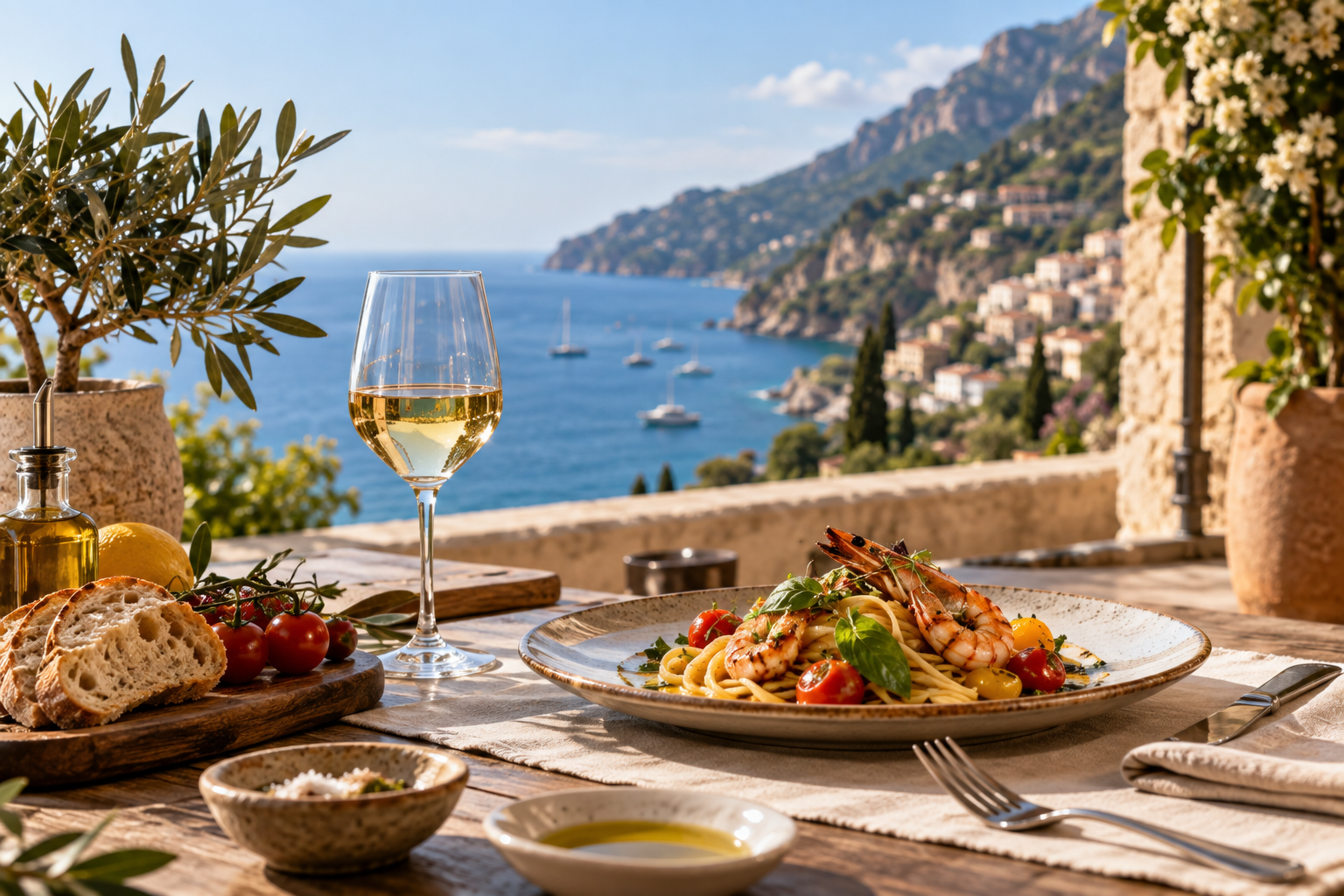
For those who appreciate exceptional cuisine, the region offers everything from intimate chef-led restaurants to celebrated dining rooms within luxury hotels. The experience also extends beyond restaurant reservations. Living close to an established gastronomic destination makes it easier to explore local markets, discover new chefs and enjoy the region’s culinary culture throughout the year.
What makes Mediterranean fine dining distinctive?
Mediterranean cuisine draws on ingredients that vary considerably between coastal regions, islands and inland communities. Olive oil, seafood, vegetables, herbs and regional wines are familiar elements, but their preparation reflects local traditions and the individual approach of each chef. In an ambitious restaurant, the quality of the ingredients is matched by careful technique, thoughtful presentation and service that allows guests to enjoy the meal at their own pace.
The setting contributes to the experience, particularly in coastal destinations where restaurants occupy historic buildings, secluded gardens or terraces above the water. Yet an impressive view is only one consideration. Menu composition, wine service, hospitality and consistency all deserve attention when choosing a restaurant for a special occasion.
Several details can help distinguish an exceptional dining experience:
→ Seasonal menus – dishes reflect the availability of local produce, seafood and other ingredients throughout the year.
→ Culinary identity – the chef’s approach gives the menu a recognisable character, whether rooted in regional traditions or contemporary techniques.
→ Wine selection – a carefully assembled list provides opportunities to explore regional producers alongside international labels.
→ Service and atmosphere – attentive hospitality, comfortable seating and a well-paced meal allow guests to enjoy the occasion without unnecessary interruptions.
→ Location – a restaurant’s setting can complement the food, from an intimate dining room in a historic town to a terrace overlooking the Mediterranean.
Monaco and the French Riviera
The French Riviera combines established gastronomic institutions with coastal resorts, luxury hotels and an international residential environment. Monaco, Nice, Cannes and the surrounding towns offer different dining experiences, from formal tasting menus to contemporary restaurants that place regional ingredients at the centre of their cuisine.
For residents, the appeal lies partly in the variety of options within a relatively compact coastal region. A restaurant overlooking the harbour may suit a celebratory dinner, while a smaller establishment in a nearby village can offer a quieter atmosphere. Access to local markets and specialist food shops also makes the region attractive to those who enjoy cooking and entertaining at home.
Monaco and its celebrated dining rooms
Monaco is associated with luxury hospitality and restaurants that attract an international clientele. Le Louis XV – Alain Ducasse à l’Hôtel de Paris is among the principality’s established gastronomic names, with a culinary identity closely connected to the Mediterranean and its ingredients.
Monaco also offers restaurants with different approaches to cuisine and atmosphere, allowing residents to choose between formal dining, contemporary menus and more relaxed settings. When planning a special occasion, it is worth checking the current menu, reservation conditions and dress code directly with the restaurant.
For property buyers, proximity to the dining scene can be considered alongside access to the harbour, shopping, cultural events and everyday services. The preferred residential location will depend on how often the owner expects to visit Monaco’s restaurants and how much privacy they want at home.
Cannes, Antibes and the coastal towns
Beyond Monaco, the French Riviera offers a broad selection of restaurants in waterfront locations, historic centres and luxury hotels. Cannes and Antibes provide access to coastal dining and local markets, while smaller towns offer opportunities to explore regional cuisine in a more intimate setting.
The atmosphere changes between destinations and throughout the year. Residents planning extended stays may prefer to explore restaurants outside the busiest holiday periods, when reservations can be easier to arrange and the surrounding towns have a different rhythm.
The Amalfi Coast and the flavours of southern Italy
The Amalfi Coast brings together dramatic coastal scenery, traditional Italian cooking and restaurants that reinterpret regional ingredients through contemporary techniques. Seafood, lemons, tomatoes, olive oil and locally produced cheeses feature prominently in the area’s culinary identity, although individual menus vary according to the chef and the season.
Positano, Amalfi and Ravello offer different dining environments. Some restaurants overlook the coastline, while others occupy historic buildings or garden terraces. Travelling between towns can take longer than the distance suggests, particularly during busy periods, so the location of a restaurant matters when planning an evening out.
Positano and coastal dining
Positano is known for its hillside setting and restaurants overlooking the sea. Dining here often combines regional ingredients with the visual appeal of the coastline, making the town attractive for special occasions and extended stays.
For residents, however, the practical details deserve attention. Access to a restaurant may involve steep streets or steps, while road traffic can influence the journey from neighbouring towns. A property with convenient access to preferred dining locations may therefore offer advantages beyond its views.
Ravello and a quieter gastronomic setting
Ravello offers a different atmosphere from the busiest waterfront destinations. Its elevated position, gardens and historic buildings create an appealing environment for restaurants that emphasise both cuisine and setting.
Buyers considering a residence in or near Ravello should examine how easily they can reach the coast, nearby towns and the restaurants they intend to visit regularly. The area may appeal to those who prefer a quieter residential environment while retaining access to the wider Amalfi Coast.
Costa del Sol and contemporary Mediterranean cuisine
The Costa del Sol offers a varied dining scene that extends beyond traditional Spanish coastal restaurants. Marbella, Estepona and nearby destinations combine regional cuisine with contemporary restaurants, international influences and luxury hospitality.
Local seafood, olive oil, vegetables and Andalusian culinary traditions provide a foundation for many menus. At the same time, the region’s international character supports a broad range of dining styles, from intimate tasting-menu restaurants to establishments designed for long lunches and relaxed evenings.
Marbella and its gastronomic scene
Marbella offers access to restaurants in the town centre, coastal neighbourhoods, luxury hotels and surrounding residential areas. Skina is one of the names associated with the city’s fine-dining scene, with an approach that draws on Andalusian culinary traditions.
For residents, the variety of restaurants makes it possible to choose a setting according to the occasion. A formal dinner, a casual lunch near the beach and an evening in Marbella’s historic centre offer different experiences without requiring a change of destination.
Property buyers who dine out frequently should consider road connections and the distance between their preferred neighbourhood and the restaurants they expect to visit. A secluded villa may offer considerable privacy, but convenient access to Marbella’s dining areas can make a difference to everyday life.
Estepona and the surrounding area
Estepona combines an established town centre with coastal restaurants and access to the wider Costa del Sol. Its dining options range from traditional regional cuisine to contemporary establishments, providing variety for residents who want to explore different menus and settings.
The surrounding residential areas offer different balances between privacy and access to town. Buyers should compare the journey to restaurants, shops and other amenities rather than selecting a property solely on the basis of its distance from the coastline.
Mallorca and the evolution of island gastronomy
Mallorca’s culinary identity reflects its agricultural traditions, coastal location and access to seasonal produce. Restaurants across the island work with ingredients such as seafood, vegetables, olive oil and regional specialities, while contemporary chefs introduce different techniques and interpretations.
Palma offers an urban dining environment, with restaurants located in historic streets, contemporary spaces and luxury hotels. Elsewhere on the island, coastal towns and rural destinations provide opportunities to enjoy meals in quieter surroundings.
Palma and its contemporary restaurants
Palma is a natural starting point for exploring Mallorca’s gastronomic scene. Its range of restaurants allows residents to move between contemporary tasting menus, regional cooking and more informal dining without travelling extensively across the island.
For buyers considering a residence near Palma, access to the city’s restaurants can be assessed alongside proximity to the airport, marinas, cultural attractions and everyday services. A property in a quieter residential area may offer privacy while keeping the capital within convenient reach.
Dining beyond the capital
Mallorca’s smaller towns and coastal destinations offer a different culinary experience, often shaped by the surrounding landscape and local ingredients. Restaurants in these areas can be particularly appealing for leisurely lunches, seasonal menus and meals that form part of a day spent exploring the island.
A coastal residence may provide convenient access to waterfront dining, while an inland property can place the owner closer to rural restaurants and local producers. The choice depends on the type of lifestyle the buyer wants to enjoy throughout the year.
Wine, private chefs and entertaining at home
For many owners of Mediterranean luxury properties, gastronomy is equally important at home. A well-equipped kitchen, generous dining areas and comfortable outdoor spaces make it possible to entertain guests without relying exclusively on restaurant reservations.
Private chefs can prepare menus for family gatherings, celebrations or smaller dinners, while local producers and specialist suppliers provide access to regional ingredients. Wine enthusiasts may also value suitable storage conditions and space for a carefully selected collection.
When comparing properties, buyers who enjoy entertaining should examine several practical features:
1. Kitchen layout – assess preparation space, equipment, ventilation and the relationship between the kitchen and dining areas.
2. Indoor and outdoor dining – consider seating capacity, shade, lighting and protection from changing weather conditions.
3. Wine storage – verify whether the property offers appropriate temperature control and sufficient space for the intended collection.
4. Guest accommodation – examine the privacy and comfort of bedrooms for friends and family staying overnight.
5. Service access – consider how easily chefs, caterers and suppliers can reach the property without disrupting private residential areas.
These details can be especially relevant for buyers who plan to host guests regularly or spend extended periods at their Mediterranean residence.
Choosing a property near your preferred dining destinations
A strong local dining scene can influence the appeal of a residential location, but the property should also support everyday living. Buyers should assess access to supermarkets, fresh-food markets, healthcare, transport connections and other services that remain important between restaurant visits.
The atmosphere of the surrounding neighbourhood also deserves consideration. A home close to a busy dining district may offer convenient access to restaurants but experience more evening activity. A residence in a quieter area can provide greater separation from the nightlife, although reaching preferred restaurants may require a longer journey.
For buyers exploring luxury homes in the Mediterranean, Stefan Nita can assist with identifying properties that correspond to their preferred destination, residential requirements and lifestyle, including convenient access to established gastronomic areas.
A Mediterranean residence shaped around exceptional cuisine
From Monaco and the French Riviera to the Amalfi Coast, Costa del Sol and Mallorca, Mediterranean destinations offer distinctive approaches to fine dining. Each combines its own ingredients, culinary traditions and restaurant settings with a different residential environment. The choice of property should reflect how often you intend to dine out, whether you enjoy entertaining at home and which other activities form part of your everyday life.
Looking for a Mediterranean residence close to celebrated restaurants, local markets and coastal amenities? Explore luxury properties with Stefan Nita and find a home that complements your appreciation of exceptional food and Mediterranean living.