
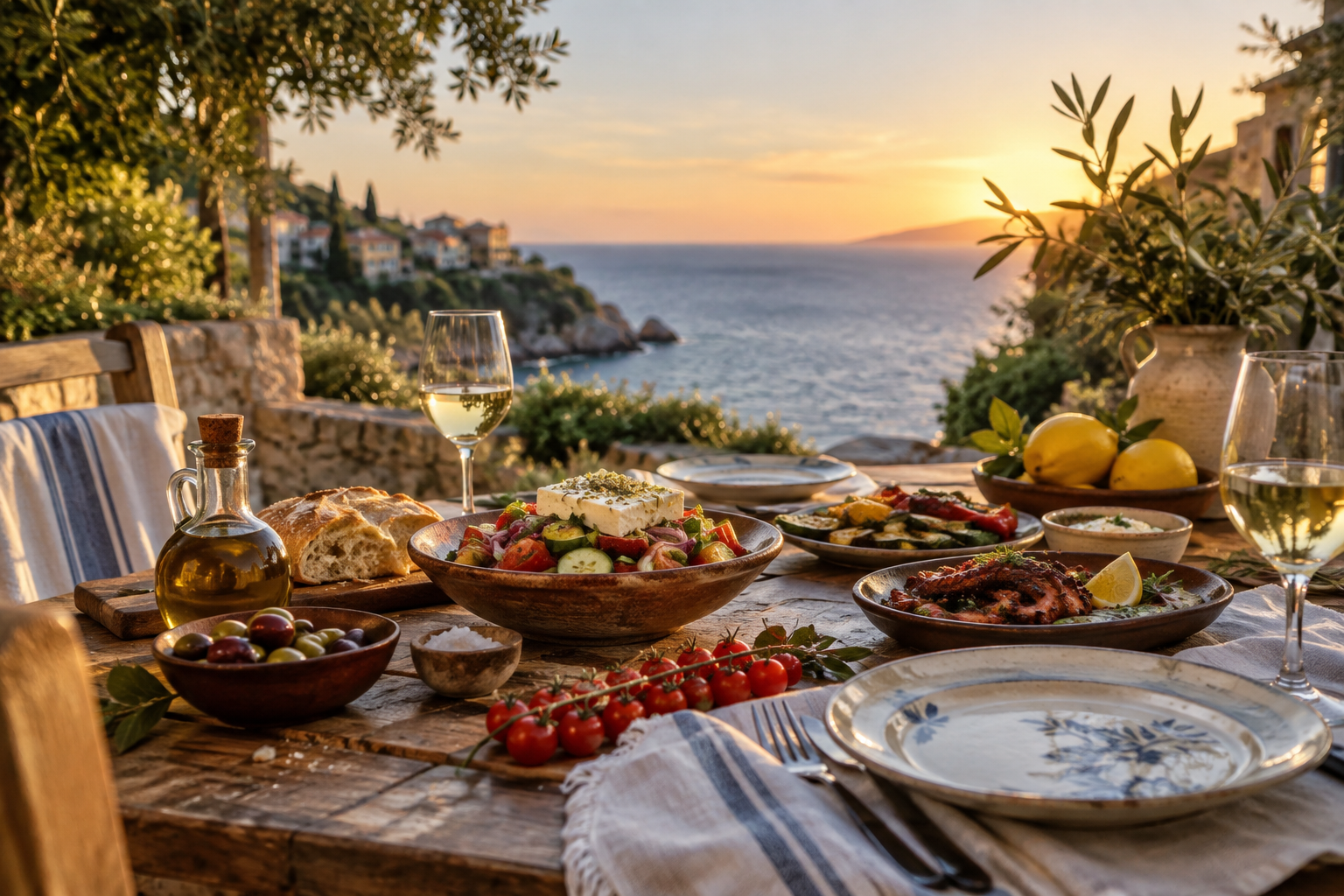
The ingredients behind Mediterranean cooking
Mediterranean cuisine encompasses many regional traditions, with recipes shaped by geography, agriculture and access to the sea. Olive oil, vegetables, legumes, grains, herbs and seafood feature in numerous local kitchens, although their combinations and preparation methods vary considerably. The ingredients used in a fishing village on the Amalfi Coast differ from those found in the agricultural communities of Provence or the inland regions of Andalusia. Exploring these differences reveals how closely food is connected to the landscape and the seasons.
The freshness and quality of the ingredients often influence the preparation of a dish. Ripe tomatoes, regional cheeses and carefully selected olive oil can form the basis of a satisfying lunch, while freshly caught fish may need only a few complementary flavours. For residents who enjoy cooking, local markets offer the opportunity to discover seasonal products, speak with producers and adapt their menus throughout the year.
Olive oil, vegetables and regional specialities
Olive oil is a defining ingredient across much of the Mediterranean, but its character changes according to the olive variety, growing conditions and production method. Some oils offer delicate, buttery flavours, while others have pronounced grassy, bitter or peppery notes. These differences influence how they complement vegetables, seafood, bread and other ingredients, making regional olive oils worth exploring in their own right.
Seasonal vegetables bring similar variety to Mediterranean cooking. Tomatoes, courgettes, aubergines and peppers are prominent in summer, while artichokes, leafy greens and citrus fruits shape menus at other times of year. Local markets provide access to regional varieties and ingredients that may be difficult to find elsewhere, particularly in smaller agricultural communities.
Seafood and the traditions of coastal kitchens
Fishing communities across the Mediterranean have developed distinctive ways of preparing fish, shellfish and other seafood. Grilling, roasting and slow cooking feature in regional recipes, while herbs, olive oil, tomatoes and citrus fruits provide different combinations of flavour. The available catch can change with the weather and season, particularly in smaller harbours where restaurants work closely with local suppliers.
When exploring coastal restaurants and markets, a few details can make the experience more rewarding:
→ Ask about the catch of the day – the available fish and seafood may differ from the regular menu.
→ Explore regional preparations – the same type of fish can be cooked differently in Spain, Italy, Greece and southern France.
→ Visit local fish markets – early visits offer an opportunity to see the varieties supplied to nearby restaurants and households.
→ Consider the season – availability, fishing restrictions and local conditions can influence what is offered throughout the year.
Spain and the culinary diversity of its Mediterranean coast
Spain’s Mediterranean coastline offers a wide range of culinary traditions, from Valencian rice dishes to Catalan seafood preparations and the flavours of Andalusia. Local agriculture, fishing and regional customs shape the menus of neighbourhood restaurants and contemporary dining establishments. For residents, this variety makes it possible to enjoy different culinary experiences without reserving every meal for a special occasion. A visit to the market, lunch near the harbour and dinner prepared at home can each provide a different introduction to the region’s food culture.
Costa del Sol and the flavours of Andalusia
The Costa del Sol combines coastal seafood traditions with the wider culinary heritage of Andalusia. Grilled sardines, fried fish, gazpacho and regional olive oils are familiar elements of the local food culture, alongside dishes influenced by the agricultural communities farther inland. Marbella, Estepona and the surrounding towns offer everything from traditional restaurants to contemporary establishments that reinterpret Andalusian ingredients through modern techniques.
The region also appeals to residents who enjoy preparing meals at home. Local markets, fishmongers, bakeries and specialist shops provide access to ingredients for everyday cooking and entertaining. Buyers considering a Mediterranean residence can explore the luxury property portfolio presented by Stefan Nita to discover locations where access to local gastronomy can complement coastal living, whether they prefer a villa with a spacious outdoor dining area or a home within easy reach of Marbella’s restaurants.
Valencia and its celebrated rice dishes
Valencia is closely associated with paella and a broader tradition of rice-based cooking. Regional preparations vary in their ingredients, which may include vegetables, meat, seafood and local seasonings, while cooking methods and recipes differ between communities. The surrounding agricultural landscape also influences the region’s cuisine, with citrus fruits, vegetables and olive oil contributing to the selection available in markets and restaurants.
For those interested in exploring Valencian food beyond its most familiar dishes, local markets and restaurants specialising in regional cuisine offer a useful starting point. Traditional rice preparations are often associated with leisurely lunches, while seasonal produce and regional specialities provide opportunities to discover the area’s culinary identity throughout the year.
Italy and the importance of regional culinary traditions
Italian cuisine changes considerably between Mediterranean regions, with local ingredients and preparation methods giving each destination its own character. Liguria’s coastal cooking differs from the dishes of southern Italy, while Sicily combines agricultural produce and seafood with influences shaped by the island’s history. Pasta, olive oil, tomatoes and regional cheeses appear in many kitchens, but the recipes and combinations are far from uniform. For food enthusiasts, travelling between Italian coastal destinations offers an opportunity to discover how the same familiar ingredients can produce remarkably different meals.
The Amalfi Coast and the flavours of southern Italy
The Amalfi Coast is associated with seafood, lemons, tomatoes, fresh pasta and regional cheeses. Local ingredients feature in traditional dishes as well as contemporary restaurant menus, with chefs drawing inspiration from the coastline and the agricultural landscape. Positano, Amalfi and Ravello offer different dining environments, from restaurants overlooking the sea to intimate dining rooms and terraces set within historic properties.
For residents, the culinary experience extends to local shops, bakeries and producers. Fresh mozzarella, seasonal vegetables, regional olive oils and seafood provide the ingredients for meals prepared at home, while nearby restaurants offer opportunities to explore more elaborate interpretations of southern Italian cooking. The choice of residential location can influence access to these experiences, particularly along a coastline where travel between neighbouring towns may take longer during busy periods.
Sicily and its distinctive culinary heritage
Sicilian cooking reflects the island’s agricultural production, fishing traditions and diverse historical influences. Aubergines, citrus fruits, almonds, pistachios, capers and seafood appear in many regional preparations, while local cheeses and pastries contribute to the island’s gastronomic identity. Dishes such as pasta alla Norma, caponata and arancini illustrate the variety of Sicilian cuisine and the importance of ingredients associated with particular communities.
Palermo, Catania and smaller Sicilian towns offer markets where visitors can explore fresh produce, regional cheeses, street food and ingredients used in traditional home cooking. The island’s culinary landscape also changes with the seasons, providing residents with opportunities to discover different products throughout the year.
Greece and the pleasures of seasonal island cooking
Greek cuisine draws on vegetables, olive oil, herbs, legumes, cheeses, fish and seafood, with regional variations shaped by local agriculture and maritime traditions. Shared dishes are a familiar part of the dining experience, allowing guests to enjoy several preparations during the same meal. Grilled fish, vegetable dishes, salads, regional cheeses and traditional breads can take different forms across mainland Greece and its islands, where individual communities maintain their own specialities.
Crete and its local ingredients
Crete has a distinctive culinary identity shaped by olive cultivation, livestock farming and the availability of wild greens and herbs. Local cheeses, honey, vegetables and traditional breads feature in many dishes, alongside recipes based on slow-cooked meats and seasonal produce. Dakos, prepared with barley rusk, tomato, cheese and olive oil, illustrates how a small selection of regional ingredients can create a characteristic Cretan dish.
Exploring markets and smaller villages provides opportunities to discover the island’s culinary traditions beyond the restaurants of major tourist destinations. Local producers offer products that reflect the surrounding landscape, while family-run establishments may specialise in recipes associated with particular communities. For residents who enjoy cooking, access to these ingredients can bring considerable variety to everyday meals.
The Cyclades and their island specialities
The Cyclades offer culinary traditions influenced by their geography, agricultural conditions and maritime connections. Regional cheeses, legumes, tomatoes, capers and seafood feature in different combinations across the islands, with local specialities reflecting the ingredients available in each destination. Santorini is associated with small tomatoes, white aubergines and fava, a preparation made from split yellow peas, while other islands have their own traditional cheeses and preserved foods.
The culinary experience can vary considerably between islands, making local restaurants and markets particularly rewarding places to explore. Visitors and residents who seek out establishments working with regional ingredients can discover dishes that reflect the identity of each island rather than relying exclusively on familiar international menus.
Southern France and the flavours of Provence
Provençal cuisine reflects the agricultural landscape of southern France and its proximity to the Mediterranean. Olive oil, tomatoes, garlic, herbs, vegetables and seafood feature prominently in regional cooking, while traditional preparations such as ratatouille and bouillabaisse illustrate the variety of local ingredients. Markets across Provence and the French Riviera offer fresh produce, cheeses, olives, breads and regional specialities, providing residents with opportunities to explore the area’s food culture beyond restaurant menus.
From Provençal markets to the dining table
Markets in Nice, Antibes, Cannes and the surrounding towns provide an introduction to the culinary character of southern France. Their selection changes throughout the year, with seasonal vegetables, herbs, fruit and regional products influencing what residents can prepare at home. Regular visits also offer opportunities to discover specialist suppliers and develop a greater familiarity with the ingredients associated with particular communities.
For those who enjoy entertaining, the combination of local produce, regional wines and comfortable outdoor dining spaces can make meals at home an important part of Mediterranean living. Fresh ingredients from the market can form the basis of an informal lunch or a more elaborate dinner, while the surrounding towns offer restaurants that reinterpret Provençal traditions through contemporary techniques.
Bringing Mediterranean gastronomy into your own home
Owning a residence in the Mediterranean creates opportunities to enjoy the region’s culinary culture beyond restaurants and occasional celebrations. A well-equipped kitchen, comfortable dining areas and access to local suppliers can make cooking and entertaining a natural part of everyday life. In warmer months, shaded terraces and outdoor kitchens provide additional space for family lunches and gatherings with friends, while indoor dining areas remain important during cooler weather.
The layout of a property can influence how comfortably these activities fit into daily routines. Buyers who enjoy cooking and hosting guests should consider the relationship between the kitchen, dining areas and outdoor spaces, as well as the practical arrangements needed for larger gatherings. Several features deserve particular attention when comparing Mediterranean residences:
→ Kitchen design – generous worktops, practical storage, reliable ventilation and suitable equipment support both everyday cooking and more elaborate menus.
→ Outdoor dining areas – shaded terraces, comfortable seating, appropriate lighting and protection from wind can extend the time spent dining outdoors.
→ Access to local suppliers – proximity to markets, bakeries, fishmongers and specialist food shops makes it easier to explore regional ingredients regularly.
→ Wine storage – suitable temperature conditions and sufficient storage space can accommodate a personal collection of regional and international wines.
→ Guest accommodation – comfortable bedrooms and well-planned shared spaces allow family and friends to enjoy extended visits without compromising residential privacy.
Discovering local markets, vineyards and producers
Restaurants provide an introduction to regional cuisine, but local producers reveal how food traditions are maintained in everyday life. Visiting an olive mill, vineyard, cheese producer or fishing harbour can offer insight into the ingredients associated with a particular destination. These experiences also provide opportunities to understand how production methods, local conditions and seasonal availability influence the food served in nearby restaurants and homes.
The most interesting products often change throughout the year, with olive and grape harvests, seasonal vegetables and fishing conditions influencing what is available. For residents, returning to familiar markets and producers can create a closer connection with the local food culture and provide inspiration for meals prepared at home. A Mediterranean residence with convenient access to these suppliers allows food enthusiasts to explore the region’s culinary traditions at their own pace.
Choosing a Mediterranean residence around your culinary interests
The gastronomic traditions of Spain, Italy, Greece and southern France offer different experiences, and the ideal residential location depends on how you prefer to enjoy them. A coastal apartment within walking distance of restaurants and food markets may suit buyers who enjoy dining out regularly, while a secluded villa with a spacious kitchen and generous terraces can provide an appealing setting for entertaining at home. Access to nearby towns, transport connections and everyday services should also form part of the decision, particularly when the property will be used for extended stays.
Whether your ideal day begins with a visit to a fish market or ends with dinner on a private terrace, the right residence can bring your favourite Mediterranean experiences closer. If you are considering a property in a destination known for its culinary traditions, discuss your Mediterranean property plans with Stefan Nita and explore homes that suit the way you want to live.