
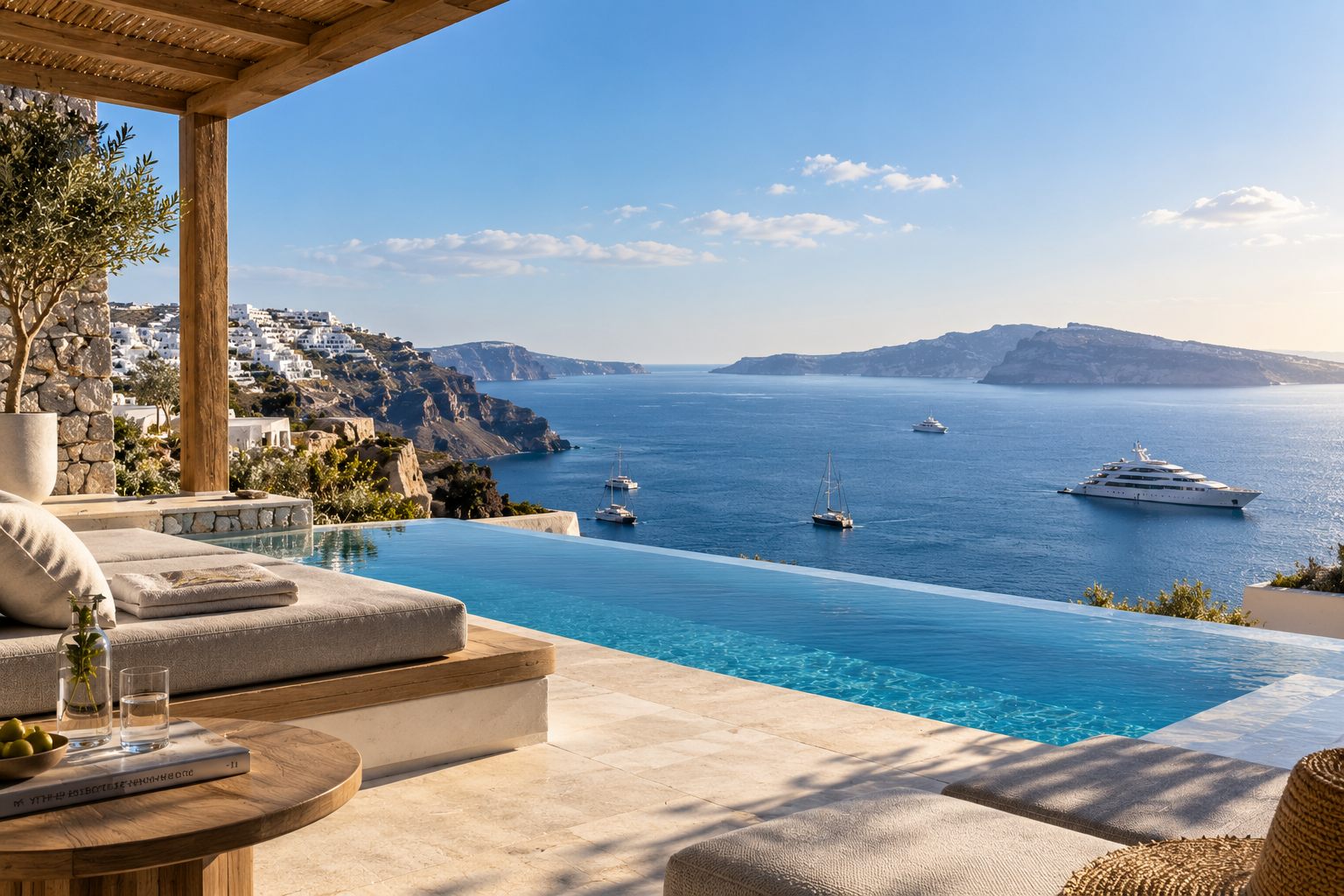
Each region offers a different combination of coastal scenery, luxury hospitality and marine services. For yacht owners, choosing where to cruise also involves practical decisions about berth availability, airport access and local navigation rules. Those who own a Mediterranean residence have another consideration: how conveniently they can travel between their home, marina and preferred destinations.
What makes a destination suitable for a superyacht?
A beautiful harbour may not have the space or facilities required for a large yacht. Vessel dimensions, berth availability, water depth and access to technical services all influence where an owner can stay. Smaller islands and protected coastal areas may also have restrictions that affect anchoring and tender operations. Before confirming an itinerary, owners and captains should check the facilities available at each destination and establish suitable alternatives for periods of heavy traffic or unfavourable weather.
The principal considerations include:
→ Berth availability – confirm that the marina can accommodate the yacht’s dimensions, particularly during peak season.
→ Airport access – check transfer times and arrival arrangements for owners and guests.
→ Tender operations – identify suitable landing points when the yacht remains offshore.
→ Marine services – verify access to provisioning, maintenance and technical support.
→ Local restrictions – review navigation rules, anchoring limits and protected marine areas.
Monaco and the French Riviera
The French Riviera combines established superyacht infrastructure with luxury hotels, restaurants and international events. Monaco, Antibes, Cannes and Saint-Tropez can feature in the same coastal itinerary, although each destination has different berthing arrangements. Nice Côte d’Azur Airport provides international connections, making the region practical for owners who travel frequently. Marina reservations require particular attention during major events and the busiest summer weeks, when demand for suitable berths can be high.
Monaco and Port Hercule
Port Hercule places visitors close to Monaco’s restaurants, hotels and shopping districts. The harbour also hosts the Monaco Yacht Show, making event dates an important factor when arranging a visit. Owners should confirm berth suitability in advance and coordinate guest transfers, especially during periods of heavy traffic. Nearby destinations such as Cap d’Antibes and Cannes can be included in shorter cruising itineraries, allowing guests to explore several parts of the Riviera without extensive passages.
Antibes and Cannes
Antibes offers established marina infrastructure and access to specialist yacht services, while Cannes combines luxury hospitality with proximity to the Lérins Islands. Both destinations provide opportunities to spend time ashore between coastal passages. Owners should confirm the facilities available at their chosen marina rather than assume that every harbour can accommodate the same vessel. For those considering property ownership, Cap d’Antibes and the residential areas around Cannes offer different combinations of privacy, coastal views and access to marine facilities.
Saint-Tropez
Saint-Tropez attracts yacht owners with its historic harbour, beach clubs and restaurants. Depending on vessel dimensions and berth availability, larger yachts may need to remain offshore or use another suitable harbour. Tender arrangements are therefore important when guests plan to visit the town and surrounding beaches. Owners should also check local anchoring rules before selecting a location, particularly in areas subject to environmental protection measures.
Sardinia and Corsica
Northern Sardinia and southern Corsica offer varied cruising opportunities within a relatively compact region. Porto Cervo provides access to Costa Smeralda, while the Maddalena Archipelago is known for its clear water and attractive bays. Corsica lies across the Strait of Bonifacio, allowing owners to explore both islands during the same itinerary. Weather conditions and local navigation restrictions should influence the route, particularly when moving between sheltered coastal areas and more exposed waters.
Porto Cervo and Costa Smeralda
Porto Cervo combines marina facilities with luxury hospitality and access to northern Sardinia’s coastline. Porto Rotondo and Cala di Volpe offer additional destinations for guests interested in coastal restaurants, beaches and time ashore. Owners planning an extended stay should consider where the yacht will berth and how guests will travel between the marina and their preferred destinations. Costa Smeralda also offers private villas and coastal estates for buyers who want a residential base near their regular cruising area.
The Maddalena Archipelago
The Maddalena Archipelago offers rocky islands, clear water and numerous bays, but its protected marine environment requires careful itinerary planning. Anchoring and navigation rules vary between areas, so captains should verify current restrictions before arrival. Tender access may be useful when guests want to visit smaller beaches or coves that cannot accommodate a large vessel. Suitable stopping points should be selected according to the yacht’s dimensions, weather conditions and applicable environmental requirements.
Bonifacio and southern Corsica
Bonifacio is known for its historic town, limestone cliffs and natural harbour. Its setting makes it an attractive stop between Sardinia and Corsica, although larger yachts must consider the harbour’s physical limitations and berth availability. The Strait of Bonifacio can experience demanding wind and sea conditions, making weather forecasts essential when planning the crossing. Owners may choose to visit the town by tender from a suitable location if direct berthing is unavailable.
The Balearic Islands
Mallorca, Ibiza and Formentera offer a combination of established marinas, coastal restaurants and attractive anchorages. Mallorca provides extensive marine services and international airport connections, while Ibiza and Formentera attract visitors interested in beaches and summer hospitality. The islands can be included in the same itinerary, provided that the route accounts for weather conditions, berth availability and local anchoring restrictions.
Palma de Mallorca
Palma is an important Mediterranean yachting centre, with marinas, shipyards and specialist marine businesses. Its international airport makes it a practical starting point for owners and guests arriving from abroad. The city also offers restaurants, shopping and residential areas within reach of the waterfront. Owners who regularly use Palma as a base should compare marina facilities, technical services and transfer times before selecting a berth or nearby residence.
Ibiza and Formentera
Ibiza offers luxury hospitality and an active summer social scene, while Formentera attracts visitors with its beaches and clear-water anchorages. Both destinations require advance planning during peak season, particularly for larger vessels. Protected seagrass habitats and other environmentally sensitive areas are subject to anchoring restrictions, so captains should confirm permitted locations before arrival. Tender arrangements should also be coordinated when guests plan to visit beaches and restaurants while the yacht remains offshore.
Greece
Greece offers extensive island-hopping opportunities across several distinct cruising regions. Athens provides access to international flights and established marinas, while the Cyclades and Ionian Islands offer different landscapes and coastal experiences. The preferred route should reflect the yacht’s dimensions, the owner’s cruising pace and seasonal weather conditions. Smaller harbours may be unsuitable for large vessels, making offshore anchoring and tender transfers important parts of some itineraries.
Athens and the Saronic Gulf
Athens offers convenient international connections and access to the Saronic Gulf. Aegina, Poros and Hydra can feature in itineraries that combine historic towns, restaurants and time at anchor. Larger yachts should verify harbour limitations and identify suitable alternatives where direct berthing is unavailable. For owners who maintain a residence in Athens or along the nearby coastline, the region can provide a practical starting point for regular Mediterranean cruising.
Mykonos and the Cyclades
Mykonos attracts visitors with luxury hotels, restaurants and beach clubs, while Paros and neighbouring islands offer additional coastal destinations. The Cyclades provide opportunities for varied itineraries, although the Meltemi winds can affect summer passages and anchoring conditions. Captains should select routes and overnight stops according to current forecasts and the vessel’s capabilities.
Several details deserve attention when planning a voyage through the Cyclades:
→ Weather conditions – select passages and anchorages according to wind and sea forecasts.
→ Harbour suitability – check whether the yacht can enter and berth safely.
→ Tender access – identify appropriate landing points for guests visiting smaller islands.
→ Guest arrangements – coordinate transfers, restaurant reservations and activities around the yacht’s location.
Corfu and the Ionian Islands
Corfu, Paxos, Lefkada and Kefalonia offer green coastal landscapes, attractive bays and numerous island-hopping opportunities. Corfu also provides international airport access, making it a convenient starting point for owners arriving from abroad. The region offers a different cruising experience from the Cyclades, with many popular destinations connected by relatively short passages. A residence in Corfu or elsewhere in the Ionian Islands may also appeal to owners who return to the region regularly.
Croatia and Montenegro
The Adriatic combines historic coastal towns, island destinations and modern marina developments. Croatia offers extensive cruising opportunities along the Dalmatian coast, while Montenegro provides access to the Bay of Kotor and established yacht facilities around Tivat. Owners planning to visit both countries should confirm entry procedures, berth availability and suitable stopping points before departure. Airport connections and the location of any Mediterranean residence can also influence where the itinerary begins and ends.
Dubrovnik, Hvar and the Dalmatian coast
Dubrovnik combines a historic coastal setting with access to southern Dalmatia, while Hvar offers restaurants, summer hospitality and nearby islands. Split provides international airport connections and access to central Dalmatia. Larger yachts should verify harbour suitability and arrange tender transfers where direct berthing is impractical. Buyers considering a Croatian residence should compare locations according to their preferred cruising area, airport access and proximity to suitable marinas.
Porto Montenegro and the Bay of Kotor
Porto Montenegro in Tivat combines marina facilities with residences, hotels and restaurants. The Bay of Kotor offers a distinctive setting of mountains, historic settlements and sheltered coastal waters, with access to the wider Adriatic. Owners should confirm berth suitability before arrival, particularly when travelling aboard larger vessels. For property buyers, Tivat offers residences close to marina facilities, while other locations around the bay provide different levels of privacy and coastal access.
How to choose a Mediterranean residential base
The destination selected for a summer voyage may differ from the location that works best for property ownership. A residence used for short visits requires convenient airport connections, while a home occupied for several months may need extensive living space and year-round services. The preferred marina and principal cruising region should guide the property search, particularly when the yacht will be used regularly throughout the season.
Before selecting a residence, consider the following:
1. Preferred cruising region – identify the destinations you expect to visit most often.
2. Marina access – check berth suitability, availability and travel time from the property.
3. International connections – compare flights and airport transfers.
4. Year-round amenities – assess access to healthcare, shopping and restaurants.
5. Residential privacy – examine neighbouring properties, road access and outdoor spaces.
6. Local requirements – verify property ownership rules and separate marina agreements.
A property near the preferred marina can simplify guest arrivals and time spent ashore. Buyers exploring waterfront villas, coastal estates and luxury residences across the Mediterranean can consult Stefan Nita to identify properties that correspond to their preferred destinations and residential requirements.
Choosing your next Mediterranean superyacht destination
The French Riviera, Sardinia, Corsica, the Balearic Islands, Greece and the Adriatic offer different combinations of luxury hospitality, marina infrastructure and coastal scenery. Berth availability, weather conditions and local restrictions should guide each itinerary, while a well-located residence can make regular yacht use more convenient.
Looking for a coastal estate or luxury residence near your preferred marina? Explore Mediterranean properties with Stefan Nita and find a home that complements your yachting lifestyle.