
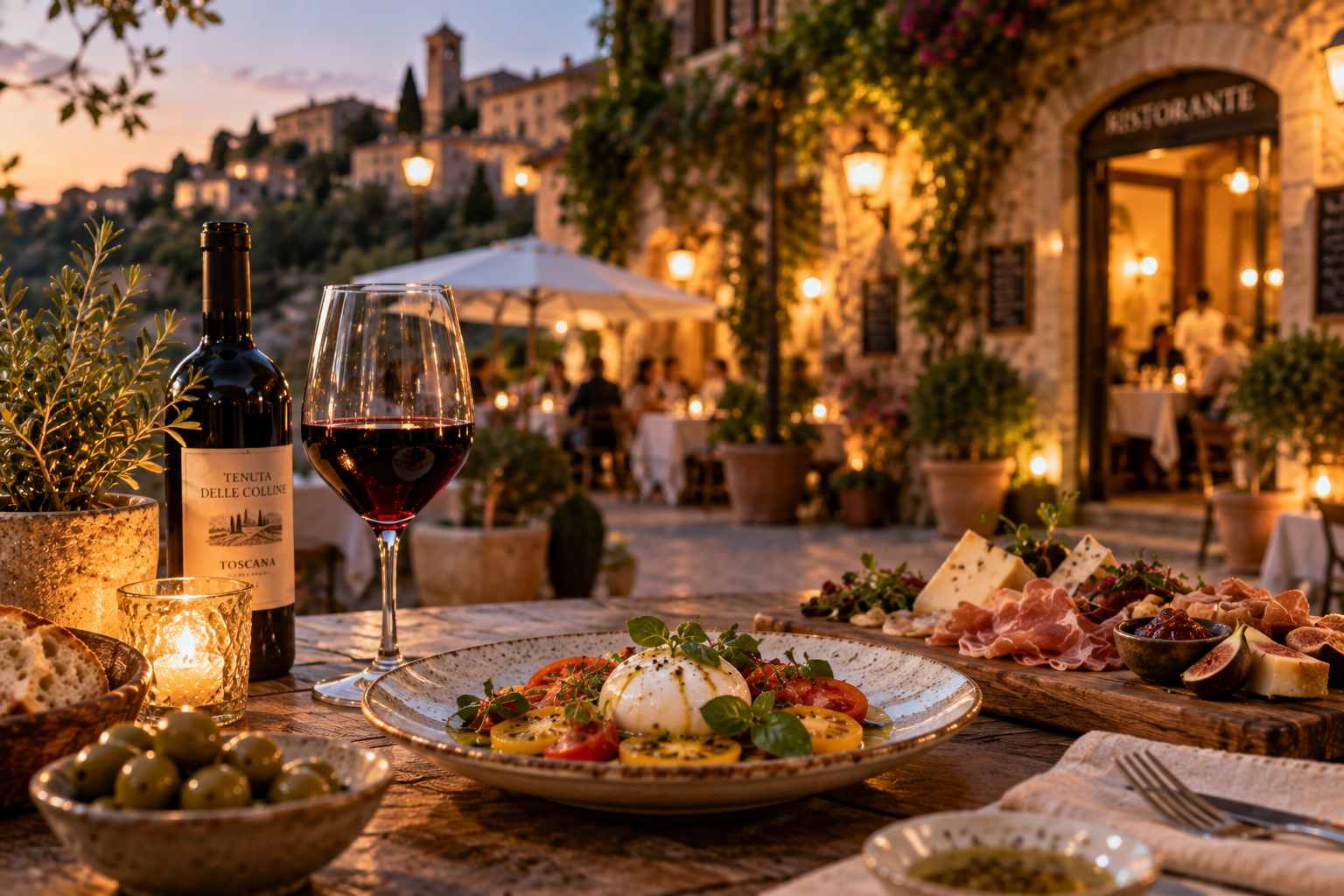
Across the Mediterranean, celebrated wine regions sit alongside historic villages, coastal estates and landscapes shaped by centuries of cultivation. Discover how terroir influences the wines of Spain, Italy, France and Greece, and why exploring local vineyards can become an essential part of Mediterranean living.
What makes Mediterranean wine regions so distinctive?
The Mediterranean wine landscape extends from the coastal vineyards of southern France to the mountainous estates of Spain, the volcanic slopes of Italy and the islands of Greece. Each region has its own combination of grape varieties, growing conditions and winemaking traditions, which explains why wines produced within the same broad climate zone can taste remarkably different.
Terroir describes the environmental characteristics of a particular vineyard site, including its soil, topography, climate and surrounding landscape. These factors influence how grapes develop and can affect the acidity, concentration, structure and aromatic character of the resulting wine. Vineyard management, grape selection and winemaking decisions also play an important role, which means that two producers working in the same area can create noticeably different styles.
How the landscape influences the wine in your glass
Mediterranean vineyards occupy a wide range of environments, from low-lying coastal plains to steep hillsides and elevated inland valleys. Proximity to the sea can moderate temperatures, while altitude may create cooler growing conditions and greater differences between daytime and nighttime temperatures. Soil composition and water availability influence vine growth, and the orientation of a vineyard affects its exposure to sunlight.
Several characteristics are particularly relevant when exploring the relationship between wine and terroir:
→ Climate and temperature – growing-season temperatures influence grape ripening, acidity and the development of flavour compounds.
→ Soil and water availability – soil structure, drainage and the availability of water affect vine growth and grape development.
→ Altitude and vineyard orientation – elevation, slope and exposure to sunlight create different growing conditions, even within the same wine region.
→ Grape varieties – local and international varieties respond differently to environmental conditions and contribute their own characteristics to the finished wine.
→ Winemaking traditions – harvesting decisions, fermentation methods and ageing techniques influence how a producer expresses the characteristics of a vineyard.
Spain and the vineyards of the Mediterranean coast
Spain offers considerable diversity for wine enthusiasts, with Mediterranean regions producing everything from fresh coastal whites to structured reds and distinctive fortified wines. The country’s varied geography allows vineyards to occupy coastal plains, inland valleys and mountainous terrain, while regional grape varieties contribute to the identity of individual appellations.
For residents of Spain’s Mediterranean coast, vineyard visits can complement the experience of living near historic towns, restaurants and local markets. Wine estates offer opportunities to explore regional production methods, discover unfamiliar varieties and develop a greater appreciation of the wines served in nearby restaurants.
Priorat and the character of its steep vineyards
Priorat, in Catalonia, is associated with steep vineyards, distinctive slate-rich soils and red wines frequently produced from Garnacha and Cariñena. The region’s terrain creates demanding growing conditions, while differences in altitude and vineyard exposure contribute to the diversity of styles produced across the appellation.
Visiting Priorat offers an opportunity to explore a wine landscape that differs considerably from the coastal resorts of Catalonia. Vineyard tours and tastings can provide insight into the relationship between local grape varieties, cultivation methods and the characteristics of the finished wines. The surrounding villages and countryside also make the region appealing for visitors interested in gastronomy and rural landscapes.
Penedès and its sparkling wine traditions
Penedès, located within reach of Barcelona, is known for its vineyards and its important role in Spanish sparkling wine production. Traditional grape varieties such as Xarel·lo, Macabeo and Parellada feature in regional wines, alongside other varieties used for still and sparkling styles.
The area offers a broad range of winery experiences, from visits to established producers to tastings at smaller estates. Wine enthusiasts can explore how grape selection, vineyard conditions and production methods influence different styles, while the region’s proximity to Barcelona makes it accessible for residents and visitors based along the Catalan coast.
Andalusia and the wines of southern Spain
Andalusia has a distinctive wine heritage, particularly in the area around Jerez de la Frontera, where sherry production is closely associated with local grape varieties, ageing practices and the region’s chalky albariza soils. The area produces different styles of fortified wine, with variations in ageing and production methods contributing to their individual characteristics.
For residents of the Costa del Sol, exploring Andalusian wine regions provides an opportunity to discover a different aspect of southern Spain beyond its coastal destinations. Winery visits can be combined with local gastronomy, historic towns and regional cultural experiences.
The appeal of this lifestyle can also influence the choice of a second home. Buyers interested in coastal living with access to Andalusia’s wine and culinary traditions can explore the Mediterranean luxury residences featured by Stefan Nita , with particular attention to road connections, outdoor entertaining areas and proximity to the destinations they intend to visit regularly.
Italy and the remarkable diversity of its wine landscapes
Italy’s Mediterranean wine regions reflect an extraordinary range of geographical conditions, grape varieties and local traditions. Coastal vineyards, volcanic slopes, inland hills and island landscapes create different growing environments, while regional producers preserve established techniques and experiment with contemporary approaches.
Wine enthusiasts exploring southern Italy and its islands can encounter styles that differ considerably from those associated with the country’s northern regions. Local grape varieties, agricultural traditions and food culture also influence the way wines are enjoyed, making vineyard visits an appealing complement to regional dining experiences.
Sicily and the volcanic vineyards of Mount Etna
Mount Etna has become closely associated with wines produced from vineyards on the slopes of an active volcano. The area’s volcanic soils, variations in altitude and differences in vineyard exposure create a distinctive growing environment, while grape varieties such as Nerello Mascalese and Carricante play an important role in the region’s wine identity.
The landscape offers an unusual setting for exploring the relationship between geology, climate and wine production. Vineyards at different elevations experience different growing conditions, while individual producers make choices that influence the character of their wines. A visit to the region can include tastings, vineyard walks and opportunities to discover the food traditions of eastern Sicily.
Tuscany and the relationship between wine and landscape
Tuscany is celebrated for its historic wine regions, rolling hills and vineyard estates. Although much of the region lies inland, its wines form an important part of Italy’s broader Mediterranean gastronomic culture. Sangiovese is central to several established Tuscan wine styles, while differences in vineyard location, grape selection and production methods contribute to considerable regional variety.
For property owners who enjoy wine, Tuscany offers opportunities to explore vineyards, historic villages and regional restaurants throughout the year. Estates with gardens, terraces and comfortable dining areas can provide an appealing setting for enjoying local wines and entertaining guests, particularly for those who divide their time between coastal destinations and the Italian countryside.
Sardinia and its island wine traditions
Sardinia has a distinctive wine identity shaped by its island geography, local grape varieties and varied terrain. Cannonau and Vermentino are among the grapes associated with the island, with vineyards located in coastal areas as well as inland landscapes.
The island’s wines can be explored alongside its regional cuisine, which includes seafood, cheeses, traditional breads and meat dishes. For residents and visitors, local wineries offer opportunities to discover producers whose wines may be less familiar outside Sardinia, while the surrounding landscape provides a different perspective on Mediterranean wine culture.
France and the celebrated vineyards of Provence
Provence combines a long-established wine tradition with landscapes of olive groves, vineyards, historic villages and Mediterranean coastline. The region is particularly associated with rosé wines, although local producers also make red and white wines using a variety of grape varieties and production methods.
Its vineyard areas differ in climate, altitude, soil composition and proximity to the sea. These variations contribute to the diversity of regional wine styles and provide opportunities to explore the relationship between individual appellations and their growing environments.
Provence and the art of rosé production
Provençal rosé is associated with a range of styles produced from grape varieties that can include Grenache, Cinsault, Syrah and Mourvèdre. Vineyard conditions, grape selection and winemaking decisions influence the finished wine’s colour, aroma, texture and structure.
For residents of the French Riviera, the vineyards of Provence offer opportunities for day trips and longer excursions into the countryside. Winery visits can include guided tastings, tours of production facilities and introductions to local grape varieties. The surrounding villages, restaurants and regional markets provide additional reasons to explore the area beyond its celebrated coastal destinations.
Bandol and its distinctive red wines
Bandol is an appellation in Provence associated with red wines in which Mourvèdre plays a significant role. The region’s vineyards occupy varied terrain near the Mediterranean, while local production rules and winemaking traditions contribute to the identity of its wines.
Wine enthusiasts visiting Bandol can explore both its red and rosé styles and discover how producers work with the local growing conditions. The region also offers access to coastal landscapes and nearby towns, making it suitable for excursions that combine wine tasting with regional gastronomy.
Greece and the wines of its islands
Greek wine regions offer a compelling combination of indigenous grape varieties, distinctive landscapes and long-established viticultural traditions. Mainland vineyards and island estates occupy environments that differ considerably in altitude, rainfall, soil composition and exposure to maritime conditions.
For visitors interested in Mediterranean wine culture, Greece offers opportunities to discover varieties and production methods that may be unfamiliar outside the country. Local wines also provide a natural complement to regional dishes, from grilled seafood and vegetables to cheeses and traditional meat preparations.
Santorini and its volcanic terroir
Santorini is associated with volcanic soils, strong winds and distinctive vine-training methods. Assyrtiko is one of the island’s most prominent grape varieties, producing wines that are closely connected with Santorini’s particular growing environment.
The island’s traditional basket-shaped vine training helps protect grapes from challenging environmental conditions. Winery visits provide opportunities to explore these cultivation methods, learn about local varieties and discover the range of wines produced on the island. The experience can be combined with visits to local restaurants, where regional wines accompany seafood and other Greek specialities.
Crete and its indigenous grape varieties
Crete has a diverse wine landscape, with vineyards occupying different elevations and growing environments across the island. Indigenous varieties such as Vidiano, Liatiko and Kotsifali contribute to the region’s wine identity, alongside other grapes cultivated by local producers.
The island’s wineries offer opportunities to explore both traditional and contemporary approaches to production. Tastings can also introduce visitors to the relationship between local wines and Cretan cuisine, including regional cheeses, olive oil, vegetables and slow-cooked dishes.
Exploring wine regions beyond the tasting room
A vineyard visit can offer considerably more than a guided tasting. Many Mediterranean wine regions combine agricultural landscapes with historic villages, local restaurants and producers of regional specialities. Exploring these destinations provides a broader understanding of the cultural and environmental conditions that shape local wine production.
The experience can vary according to the season, with spring and summer offering different vineyard conditions from those encountered around harvest time. Some estates provide tours of production facilities, while others focus on vineyard walks, food pairings or introductions to particular grape varieties.
When planning a visit, several practical considerations can improve the experience:
→ Book tastings in advance – smaller estates may receive visitors only by appointment, particularly outside the main tourist season.
→ Explore different producers – comparing wines from several estates can reveal variations in vineyard conditions and winemaking approaches within the same region.
→ Ask about local grape varieties – indigenous grapes often provide a distinctive introduction to the identity of a wine region.
→ Include regional food experiences – local restaurants, markets and specialist producers can help place the wines within their broader culinary context.
→ Arrange suitable transport – private transfers or a designated driver allow visitors to enjoy winery experiences without the need to drive afterwards.
Creating a home for wine enthusiasts
For buyers who appreciate wine, the design and location of a Mediterranean residence can influence how comfortably they enjoy their collection and entertain guests. Suitable storage conditions are particularly important in warmer climates, where high temperatures and direct sunlight can affect the quality of stored bottles. A dedicated wine room or properly designed wine cabinet may therefore be a valuable feature for owners who intend to maintain a personal collection.
The relationship between indoor and outdoor spaces also deserves consideration. A generous dining terrace, a practical kitchen and comfortable areas for entertaining can provide the setting for meals accompanied by regional wines. Buyers who regularly invite friends or family may also value guest accommodation and convenient access for private chefs or catering services.
Several features are worth examining when comparing properties:
1. Temperature-controlled wine storage – check the available capacity, temperature stability and protection from direct sunlight.
2. Indoor and outdoor dining areas – assess seating capacity, shade, lighting and the relationship between the kitchen and entertaining spaces.
3. Access to wine regions – consider travel times to vineyards, specialist wine merchants and restaurants with established wine programmes.
4. Space for private tastings – a comfortable dining room or dedicated entertaining area can accommodate smaller gatherings centred around wine and food.
5. Practical storage and delivery access – suitable storage areas and convenient access for suppliers can simplify the management of a personal wine collection.
Choosing a Mediterranean residence around your wine interests
The wine regions of Spain, Italy, France and Greece offer different experiences, and the ideal residential destination depends on how you prefer to enjoy them. A coastal apartment near restaurants and specialist wine merchants may suit buyers who appreciate convenient access to an established dining scene, while a countryside estate can provide greater proximity to vineyards and a quieter environment for entertaining.
For those considering a second home, it is worth assessing how easily they can reach their preferred wine regions throughout the year. Road connections, seasonal traffic, access to airports and the availability of local services can influence the practicality of regular vineyard visits. The property itself should also support everyday living, with suitable spaces for dining, storing wine and hosting guests.
A Mediterranean home can bring together the pleasures of coastal living, regional gastronomy and the discovery of exceptional wines. If your property search is inspired by the vineyards of Provence, the landscapes of Tuscany or the wine traditions of southern Spain, contact Stefan Nita to explore residences suited to your Mediterranean lifestyle and find a location that brings your favourite experiences closer to home.