
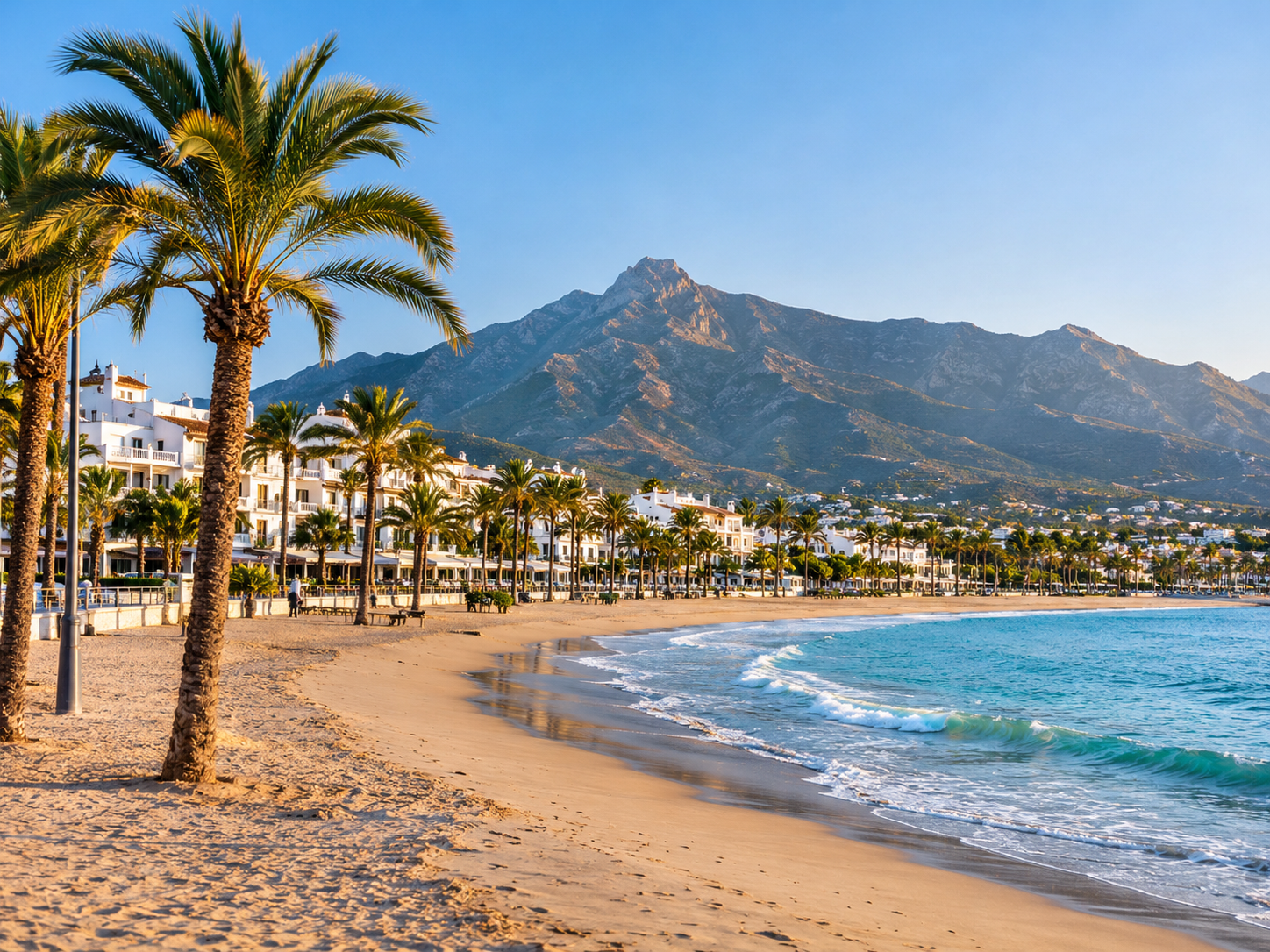
For international buyers considering a permanent move, the answer involves considerably more than sunshine. Read on to discover what year-round life in Marbella actually looks like and which neighbourhoods work best beyond the tourist season.
Marbella After September: What Happens When the Tourists Leave?
Marbella's summer season attracts substantial numbers of international visitors, particularly around Puerto Banús, the Golden Mile and the city's most popular beaches. As September progresses, the atmosphere gradually changes, with fewer holidaymakers, quieter roads in some tourist districts and greater availability at restaurants that can be difficult to reserve during August.
However, the municipality has a substantial permanent population. According to the Andalusian Institute of Statistics and Cartography, Marbella had 160,478 registered residents in 2025, including nearly 50,000 foreign nationals.
This international residential community supports shops, schools, restaurants and recreational facilities throughout the year. Marbella therefore remains an active city during winter, although the experience differs considerably between established residential neighbourhoods and areas dominated by seasonal tourism.
Winter Weather in Marbella: How Warm Is It Really?
Marbella's Mediterranean climate is an important attraction for international homeowners, particularly those relocating from northern European countries with longer, colder winters. However, the idea of uninterrupted summer weather deserves some adjustment.
Historical climate normals for Marbella indicate average daytime maximum temperatures of approximately 16–17°C in January, with nighttime temperatures frequently dropping into single figures. December and January also belong to the wetter part of the year, although sunny afternoons remain common.
The Sierra Blanca mountains provide some protection from colder northern winds, contributing to Marbella's relatively mild coastal conditions.
For residents, winter can be particularly pleasant for walking, golf and outdoor lunches, but evenings frequently require jackets and properly heated interiors. The Mediterranean may look inviting in January, although swimming without a wetsuit becomes a rather more ambitious proposition.
Do Marbella's Beach Clubs and Restaurants Stay Open in Winter?
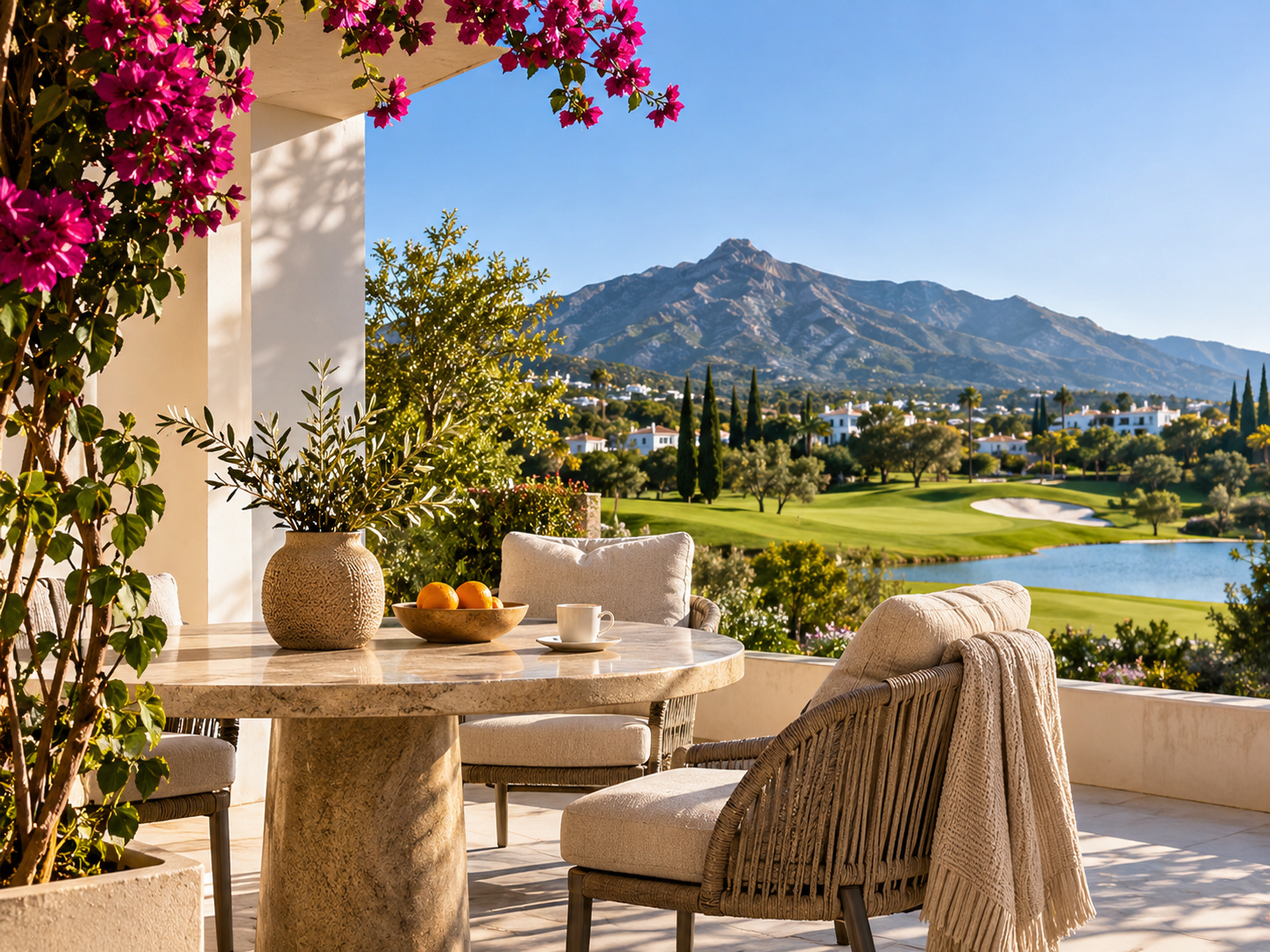
The distinction between permanent restaurants and seasonal leisure venues becomes particularly noticeable after October. Many of Marbella's established restaurants continue operating throughout the year, especially around the historic centre, Nueva Andalucía and San Pedro de Alcántara.
However, some beachfront venues reduce operating hours or close during the quieter months, particularly businesses whose commercial model depends heavily on summer tourism. Major seasonal entertainment programmes also disappear from the calendar until the following year.
Several established hospitality groups maintain selected restaurants throughout winter. For example, Casanis Bistrot in Marbella Old Town and Nota Blu on the Golden Mile advertise year-round operations for the 2026–2027 season.
Residents should nevertheless verify current opening schedules, particularly around Christmas and during winter holidays. A favourite summer beach club may be closed, but Marbella's restaurant selection remains substantial.
Puerto Banús in December Feels Very Different From Puerto Banús in August
Puerto Banús is one of Marbella's most recognisable destinations, particularly through its luxury marina, designer boutiques and concentration of restaurants. During summer, the area attracts large numbers of visitors, creating a lively environment with substantial pedestrian and vehicle traffic.
Winter brings a different atmosphere, with fewer tourists and less activity around some entertainment venues. However, the marina, established shops and numerous restaurants continue to attract residents and visitors throughout the year.
For property buyers, this seasonal contrast deserves attention because an apartment overlooking the marina can provide a very different residential experience in August compared with January.
Those who appreciate an active social environment may enjoy the summer atmosphere, while permanent residents might prefer the relative tranquillity of winter. Buyers should visit during both periods before committing to an expensive waterfront property.
Golf Season: Why Marbella Can Be More Attractive Outside Summer
Golf occupies an important position within Marbella's international lifestyle, particularly through the established courses around Nueva Andalucía, La Quinta, Los Arqueros and the surrounding Costa del Sol.
The cooler temperatures of autumn, winter and spring can make golf considerably more comfortable than during the hottest summer afternoons. Many courses operate throughout the year, although individual maintenance schedules, membership arrangements and visitor rates vary.
For example, published winter green fees for selected Marbella and Benahavís clubs in December 2026 range from approximately €62 to €139, depending on the course and available tee time.
However, winter is not universally the cheapest period for every golf club, particularly when international visitors arrive specifically to enjoy milder conditions.
For residents who play regularly, proximity to a preferred course can influence the choice between Nueva Andalucía, La Quinta and other golf-oriented communities.
Marbella's Beaches in Winter: Less Crowded, but Are They Still Enjoyable?
Marbella's beaches become considerably quieter outside the summer season, particularly along sections of the Golden Mile, San Pedro de Alcántara and East Marbella. The reduced visitor numbers create attractive conditions for walking, outdoor exercise and quieter afternoons beside the Mediterranean.
The coastal promenade remains an important recreational feature throughout the year, particularly for residents who enjoy walking or cycling. However, swimming conditions differ substantially from summer, with lower sea temperatures and occasional periods of unsettled weather.
Some beach restaurants remain operational, while others reduce their schedules or close temporarily.
For prospective homeowners, the quieter coastline can be a genuine advantage, especially when regular outdoor activity forms part of everyday life. A beachfront apartment may therefore become more enjoyable during winter, provided the owner doesn't expect every neighbouring beach club to remain open.
The Old Town: Where Marbella's Year-Round Character Becomes More Visible
Marbella's historic centre provides a different residential experience from its beachfront resorts, particularly through traditional streets, restaurants, local businesses and public squares that remain active throughout the year.
Plaza de los Naranjos and the surrounding pedestrian streets attract tourists during summer, although the neighbourhood also serves residents who regularly visit local cafés, shops and restaurants.
Winter provides opportunities to enjoy these surroundings without the same concentration of seasonal visitors. Christmas decorations, local festivities and community events contribute to a different atmosphere from the city's summer entertainment calendar.
However, buyers interested in old-town apartments or traditional houses should examine parking arrangements, building condition and accessibility. The charm of historic streets is undeniable, although carrying several bags of groceries through narrow pedestrian lanes can become rather less romantic.
San Pedro de Alcántara: One of the Most Practical Areas for Permanent Residents
San Pedro de Alcántara attracts international families through its established residential infrastructure, schools, pedestrian areas and year-round commercial activity. Its town centre contains supermarkets, restaurants, pharmacies and everyday services, while the landscaped boulevard provides recreational space for children and residents.
Nueva Alcántara is particularly attractive for families interested in contemporary apartments close to international education and the coastal promenade. Nearby Guadalmina provides additional residential opportunities, including established villas and golf-oriented communities.
The area's practical advantages remain relevant throughout the year because everyday services serve a substantial permanent population.
However, buyers should compare individual streets, particularly regarding traffic exposure and the distance to schools. A desirable location for summer holidays is not automatically the most convenient address for a household with several daily commitments.
Nueva Andalucía: Does Marbella's Golf Valley Work for Year-Round Living?
Nueva Andalucía attracts international homeowners through its established golf courses, residential communities and access to everyday amenities. Areas around Aloha Gardens, Los Naranjos and Las Brisas contain restaurants, supermarkets and properties suited to permanent residence.
The neighbourhood also benefits from proximity to Aloha College, which can make it particularly practical for families interested in international education. Its selection includes contemporary villas, traditional Mediterranean homes, townhouses and apartment communities.
During winter, the golf-oriented residential environment remains active, although tourist activity can decline in particular developments.
Buyers should examine the exact property's location because Nueva Andalucía covers a substantial geographical area. An apartment near established shops can provide considerable convenience, while an elevated detached villa may require a car for nearly every daily activity.
Sierra Blanca and La Zagaleta: Are Exclusive Hillside Estates Practical in Winter?
Sierra Blanca and La Zagaleta appeal to wealthy international buyers interested in privacy, substantial residences and attractive natural surroundings. However, their hillside locations create practical considerations that deserve particular attention during the cooler months.
Elevated properties can experience different wind exposure and temperatures from residences closer to the Mediterranean. Large villas with extensive glazing, substantial interiors and outdoor swimming pools may also require considerable energy consumption to maintain comfortable winter conditions.
La Zagaleta's secluded residential environment provides exceptional privacy, although travel towards schools, restaurants and supermarkets involves longer journeys than in central Marbella.
Sierra Blanca occupies a more convenient position above the Golden Mile, with access towards the city and established residential amenities.
For permanent homeowners, the strongest property combines privacy with efficient heating, reliable access and practical everyday transport arrangements.
East Marbella: Elviria and Los Monteros Beyond the Holiday Season
East Marbella includes residential neighbourhoods such as Elviria, Los Monteros, El Rosario and Las Chapas, each with different characteristics concerning coastal access, commercial facilities and permanent residential activity.
Elviria has an established selection of supermarkets, restaurants and schools, which contributes to its appeal among international families. Los Monteros attracts buyers interested in prestigious villas and proximity to the Mediterranean, particularly within its established beachside streets.
However, some coastal developments contain substantial numbers of holiday properties, which can create quieter residential surroundings during winter.
This may appeal to purchasers interested in peaceful surroundings, although buyers should verify whether nearby restaurants and other amenities operate year-round.
The most useful approach involves visiting the neighbourhood on an ordinary weekday in January or February, when its permanent residential character becomes easier to assess.
Does Marbella Become Cheaper After the Summer?
The end of the summer season can influence certain discretionary expenses, particularly accommodation rates and the availability of seasonal services. Restaurants and leisure venues may introduce different schedules or promotional arrangements during quieter months.
However, property ownership expenses remain throughout the year. Municipal taxes, community contributions, insurance, maintenance and security continue regardless of the number of tourists visiting Marbella.
Long-term housing costs also depend on residential demand rather than holiday occupancy alone, particularly in desirable neighbourhoods with international schools and established amenities.
Buyers should therefore avoid assuming that winter automatically produces substantial reductions in every aspect of daily life.
For permanent residents, the more important financial consideration involves the complete annual budget, particularly when owning a luxury villa with extensive gardens, sophisticated technical equipment and substantial communal charges.
What Does It Cost to Maintain a Luxury Villa Throughout Winter?
Marbella's mild climate can reduce certain heating requirements compared with colder European destinations, although substantial luxury residences still involve considerable operating expenses.
Properties with large glazed façades, extensive interiors and multiple climate-control zones may require significant energy consumption during winter evenings. Heated swimming pools and indoor wellness facilities can increase utility costs further.
Heavy rainfall also places demands on drainage, waterproofing and outdoor maintenance, particularly for hillside villas with retaining walls or basement accommodation.
Buyers should request recent electricity and water bills, maintenance records and the property's energy performance certificate before purchasing.
A beautiful contemporary villa with efficient insulation can be more economical to operate than an older residence with substantial heat loss, even when the latter has a smaller built area.
Schools and Family Life: Why Marbella Remains Active During Winter
International education contributes significantly to Marbella's permanent residential character, particularly through institutions such as Aloha College, Swans International School, Laude San Pedro International College and The English International College.
The academic calendar supports regular activity around residential neighbourhoods, sports clubs and local amenities throughout much of the year. Families also participate in extracurricular programmes, recreational activities and community events that extend beyond the summer tourism season.
However, school travel requirements influence the practicality of individual locations, especially when families live in hillside developments with limited public transport connections.
Parents should examine daily travel routes, available activities and access to healthcare before choosing a permanent residence.
A spectacular villa may attract attention through its architecture, but convenient school access can contribute considerably more to everyday satisfaction.
Healthcare, Shopping and Everyday Services Throughout the Year
Marbella's permanent population supports a broad range of healthcare facilities, supermarkets, professional services and retail destinations that remain operational throughout the year.
The municipality has access to Hospital Costa del Sol and various public and private healthcare providers, while La Cañada shopping centre and established commercial districts serve residents beyond the tourist season.
However, the availability of specific medical services, language support and specialist appointments deserves individual verification, particularly for families relocating from abroad.
Public transport also varies between neighbourhoods, with some central residential areas benefiting from more convenient bus connections than gated hillside estates.
Prospective residents should examine their practical requirements before purchasing. Proximity to beaches and restaurants can contribute to quality of life, but access to healthcare and essential services becomes equally important during permanent residence.
Traffic and Parking: Is Marbella Easier to Navigate Outside Summer?
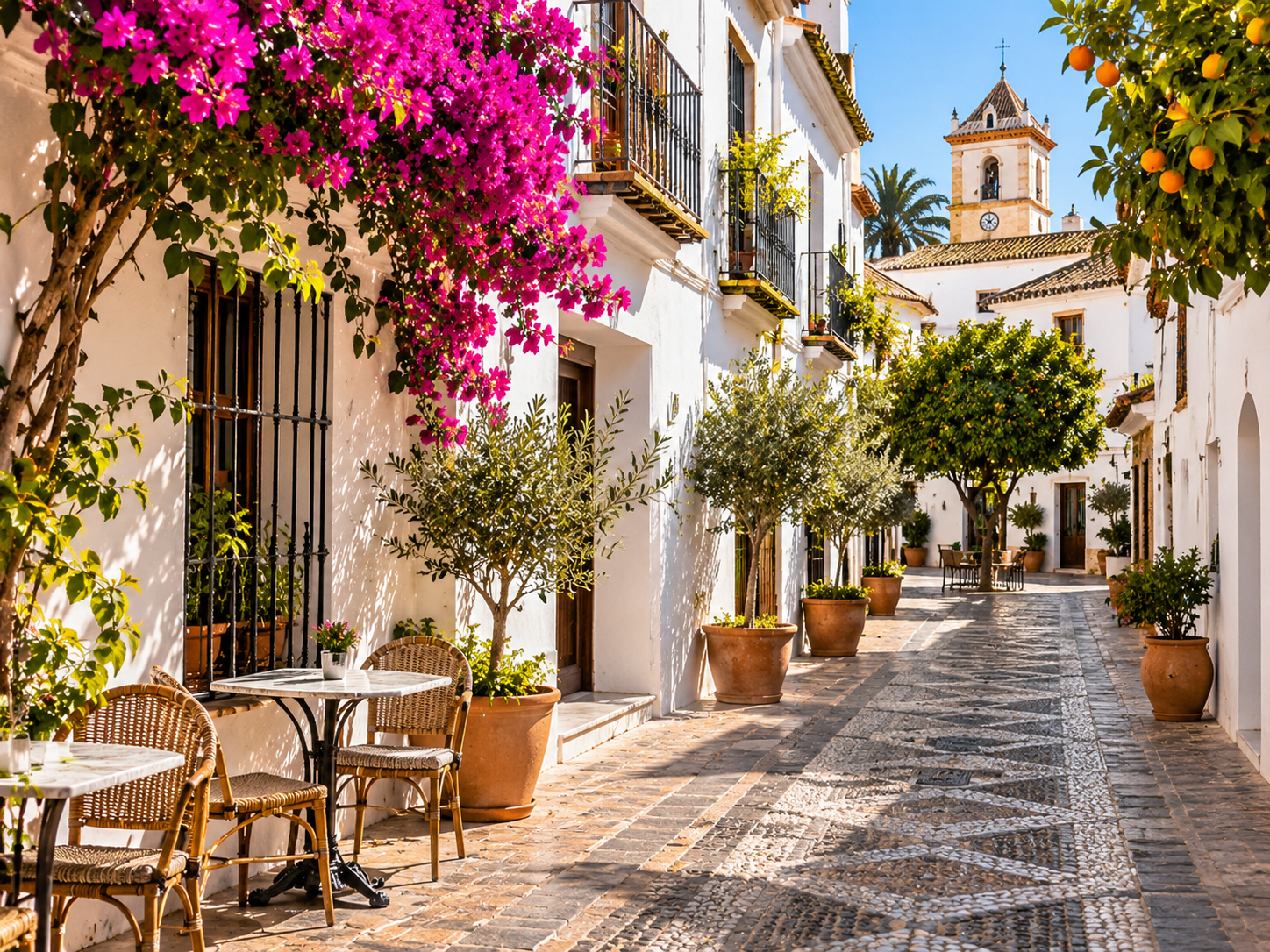
Marbella's road network experiences substantial seasonal variation, particularly around Puerto Banús, the Golden Mile and popular beach destinations. Summer traffic can create delays around major access routes, commercial areas and coastal junctions.
Outside the busiest holiday periods, some journeys become more convenient, although school traffic, weekday commuting and construction activity continue throughout the year.
The A-7 remains an important transport corridor, with individual journey times influenced by the time of day and the property's exact location.
Buyers should test travel routes during ordinary weekday conditions, particularly when school journeys or regular trips towards Málaga Airport form part of their plans.
An estate agent's estimated ten-minute journey may be realistic on a quiet Sunday morning, but that doesn't necessarily make it a reliable estimate for Monday at 8:30 AM.
Marbella's Autumn and Winter Social Calendar: What Replaces the Beach Clubs?
Marbella's social environment changes after the summer entertainment season, particularly as major festivals and exclusive beach events become less frequent. However, established restaurants, cultural activities, sports clubs and community events continue to attract residents.
The Christmas period brings decorations and festive activities to central Marbella and San Pedro de Alcántara, while the traditional Three Kings celebrations in early January remain an important part of the local calendar.
Golf, padel, hiking and other outdoor activities also become particularly attractive during periods of milder temperatures.
For homeowners interested in social life beyond nightlife venues, these activities can create opportunities to develop more consistent local connections.
Marbella's winter social calendar may attract less international publicity, although permanent residents can enjoy a broader selection of activities than its summer-focused reputation might suggest.
Outdoor Living in January: Which Activities Remain Attractive?
Marbella's winter climate supports outdoor activities throughout much of the year, particularly when daytime temperatures remain relatively mild and rainfall is limited.
Residents can explore walking routes around La Concha, enjoy coastal cycling, visit neighbouring Andalusian villages or spend afternoons on local golf courses. The surrounding region also provides opportunities for mountain excursions and cultural visits.
However, winter weather requires greater flexibility, particularly during periods of heavy rainfall or stronger winds. Mountain activities demand appropriate equipment and attention to weather conditions.
The combination of coastal and mountain landscapes remains one of Marbella's most attractive characteristics for permanent residents.
A winter afternoon may involve lunch beside the Mediterranean followed by an evening beside the fireplace, which is a rather appealing combination for anyone accustomed to northern European winters.
Property Orientation Matters More When You Live in Marbella Year-Round
Orientation influences the distribution of natural light throughout the year, particularly in villas and apartments with substantial terraces. South-facing properties generally benefit from extensive sunshine, while east-facing residences can provide attractive morning exposure.
However, winter sunlight follows a lower path than summer sunlight, which can create shadows from neighbouring buildings, mountains and mature trees.
Buyers should inspect their chosen residence during different seasons, particularly when outdoor accommodation represents an important part of the property's value.
Large covered terraces may remain comfortable during August but receive limited direct sunlight during winter afternoons.
Efficient insulation, appropriate glazing and reliable heating systems also influence year-round comfort. A property designed primarily for summer holidays may require additional improvements before becoming a practical permanent residence.
Holiday Home or Permanent Residence: What Changes Financially?
Purchasing a luxury property for permanent residence involves different financial considerations from owning a holiday home occupied only during selected periods.
Permanent residents may incur additional expenses associated with schools, healthcare, regular household services and year-round property maintenance. The property's daily usability also becomes more important, particularly regarding heating, internet connectivity and access to essential amenities.
International homeowners should examine their tax residence position before relocating, because Spanish tax residence can arise under several statutory criteria, including spending more than 183 days in Spain during a calendar year or the location of principal economic interests, subject to relevant rules and treaties.
Immigration and residence permissions require separate consideration, particularly for non-EU nationals.
Independent legal and tax advice is advisable before making substantial relocation commitments, especially when family members and investments remain connected with other countries.
Marbella in Summer vs Winter: What Actually Changes?
The contrast between the seasons becomes easier to understand when buyers compare everyday activities rather than focus exclusively on tourist attractions.
Aspect of daily life
Summer
Autumn and winter
Beaches
Busy, particularly in July and August
Quieter, with fewer seasonal services
Restaurants
High demand in popular tourist areas
More availability at year-round venues
Beach clubs
Main operating and entertainment season
Reduced hours or seasonal closures
Golf
Hot afternoons can limit comfort
Milder conditions for regular play
Traffic
Additional tourism-related congestion
Quieter in some areas, with regular commuting traffic
Outdoor activities
Swimming and evening entertainment
Golf, walking, cycling and mountain excursions
Residential atmosphere
High seasonal activity
Greater emphasis on permanent community life
These characteristics vary between neighbourhoods and individual businesses, so buyers should experience their preferred location across different seasons before committing to a property.
Which Marbella Neighbourhoods Are Best for Permanent Residence?
The most practical year-round locations generally combine established residential infrastructure with convenient access to everyday amenities, although individual priorities differ considerably.
Residential area
Principal year-round attraction
Marbella Centre
Restaurants, healthcare, shopping and pedestrian amenities
San Pedro de Alcántara
International schools, parks and established local services
Nueva Andalucía
Family villas, golf courses, schools and restaurants
Nagüeles and Sierra Blanca
Luxury residential privacy near central Marbella
Elviria
Schools, supermarkets, beaches and established communities
Río Real
Quieter surroundings with convenient access to Marbella
La Quinta
Contemporary hillside residences and golf facilities
Guadalmina
Spacious family homes and proximity to San Pedro
Buyers should examine the property's exact position rather than rely exclusively on the neighbourhood name. Walking access, road conditions and local commercial activity can differ considerably within the same residential district.
What to Check Before Buying a Marbella Property for Year-Round Living
A residence intended for permanent occupation deserves examination during winter as well as summer, particularly when the property has extensive outdoor accommodation or belongs to a community with substantial seasonal occupancy.
The most important checks include:
Visit the property during the cooler months to assess sunlight, heating and interior comfort;
Verify whether nearby restaurants, shops and essential services remain open throughout the year;
Examine school routes, healthcare access and regular travel requirements;
Request annual utility bills, community accounts and property maintenance records;
Inspect drainage, waterproofing and the condition of climate-control installations;
Investigate neighbourhood noise, seasonal traffic and future construction projects;
Confirm internet connectivity and the availability of reliable household services;
Review legal residence and tax implications before relocating permanently.
These checks provide a more realistic understanding of everyday life than a property viewing arranged exclusively during Marbella's most attractive summer weather.
Is Marbella a Good Place to Live All Year Round?
Marbella remains an attractive destination beyond the summer season, particularly for international residents who appreciate mild winters, established residential amenities and access to the Mediterranean coastline.
The city's permanent population supports schools, healthcare facilities, shops and restaurants throughout the year, while quieter beaches and comfortable conditions for golf and walking can make the cooler months particularly enjoyable.
However, the residential experience differs between central neighbourhoods, coastal developments and more secluded hillside estates. The strongest property decisions consider year-round convenience, winter comfort and total ownership expenses alongside architecture and views.
For purchasers interested in permanent relocation, visiting Marbella during January or February can reveal considerably more about the lifestyle than another perfectly sunny afternoon in August.
Considering purchasing a luxury villa, contemporary apartment or permanent residence in Marbella? Explore exclusive real estate opportunities with Stefan Nita and find a property that matches your lifestyle, budget and long-term plans on the Costa del Sol.